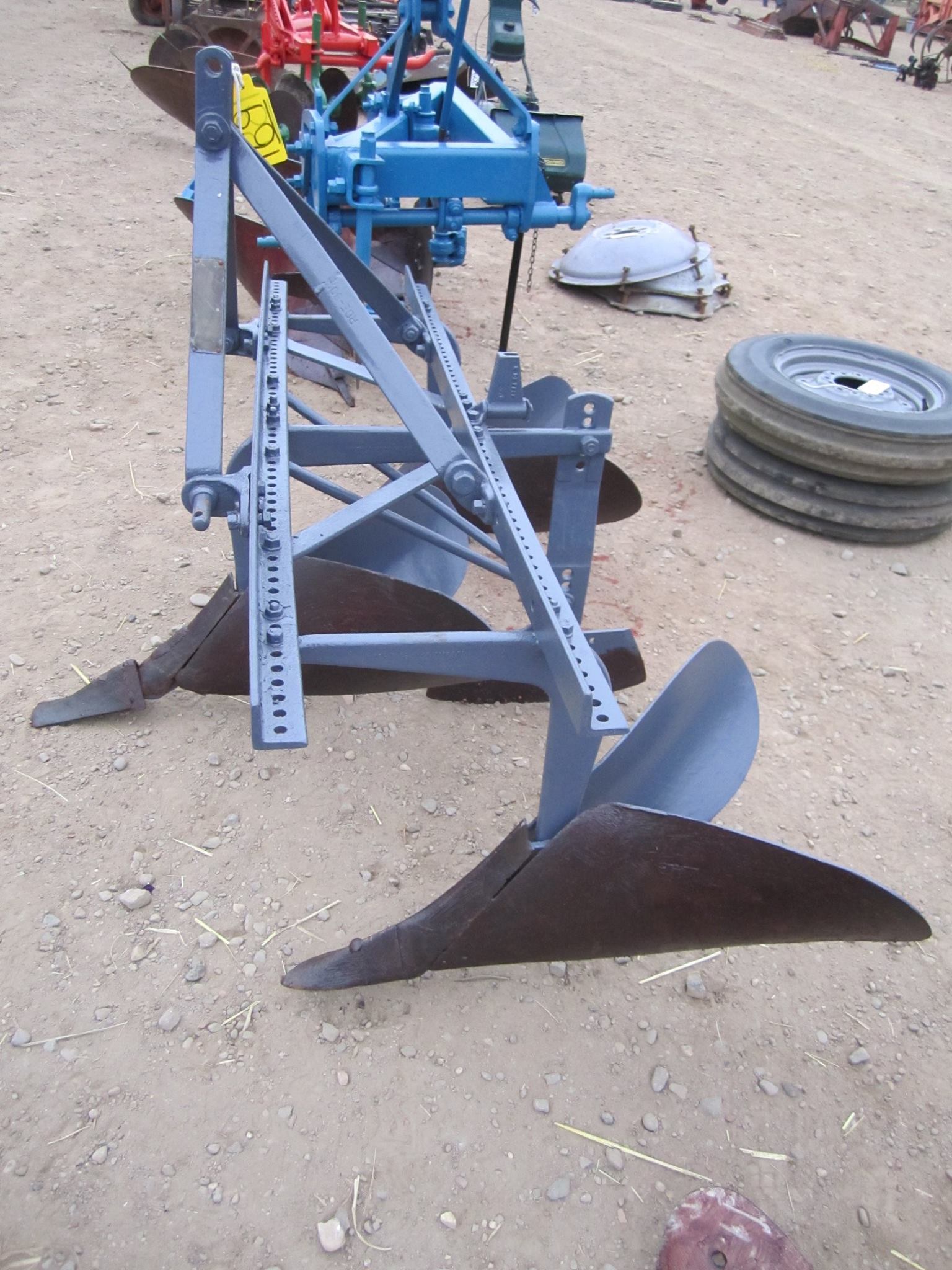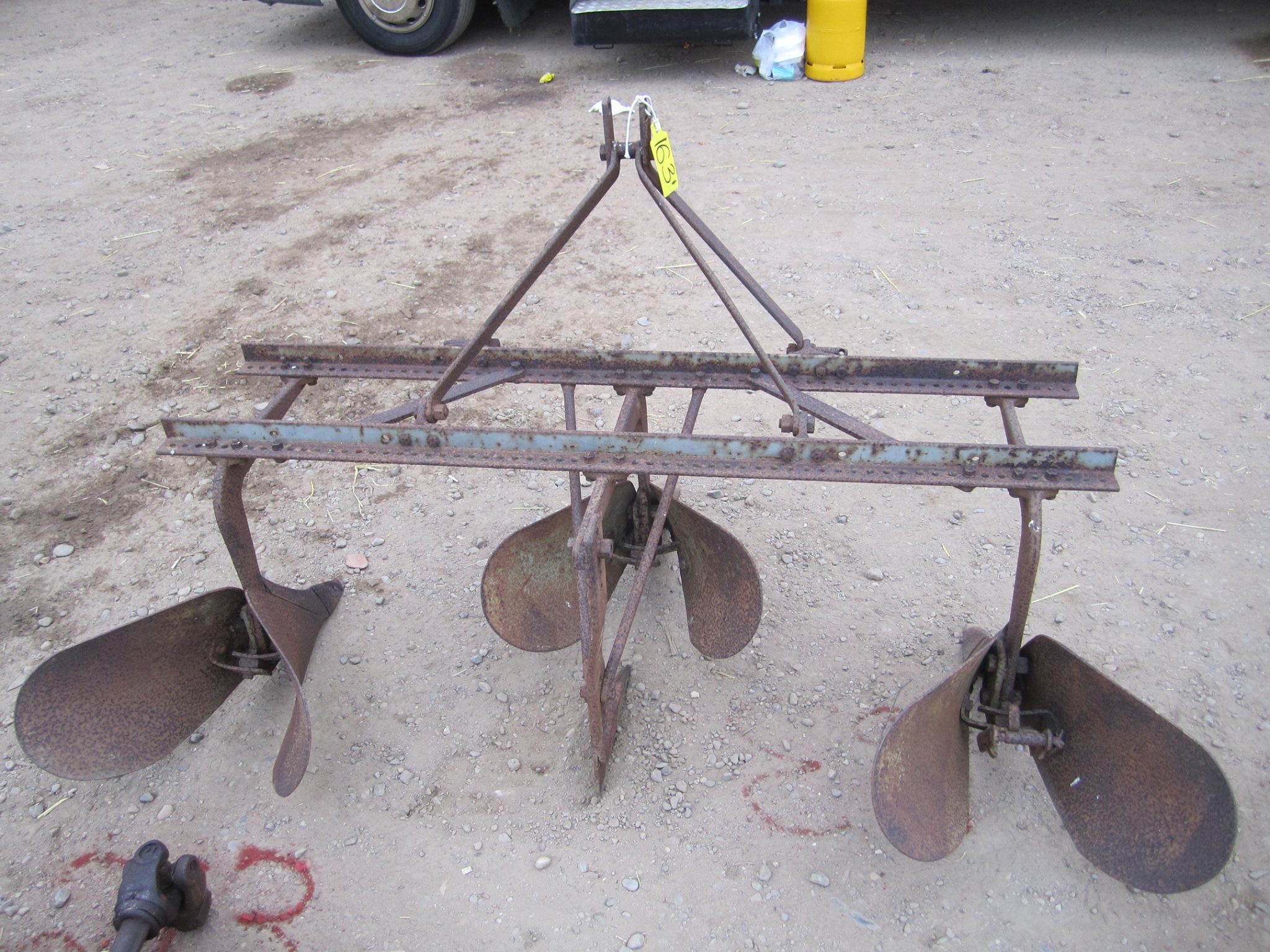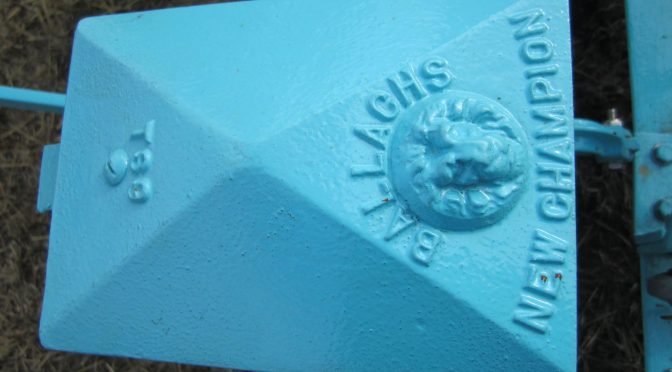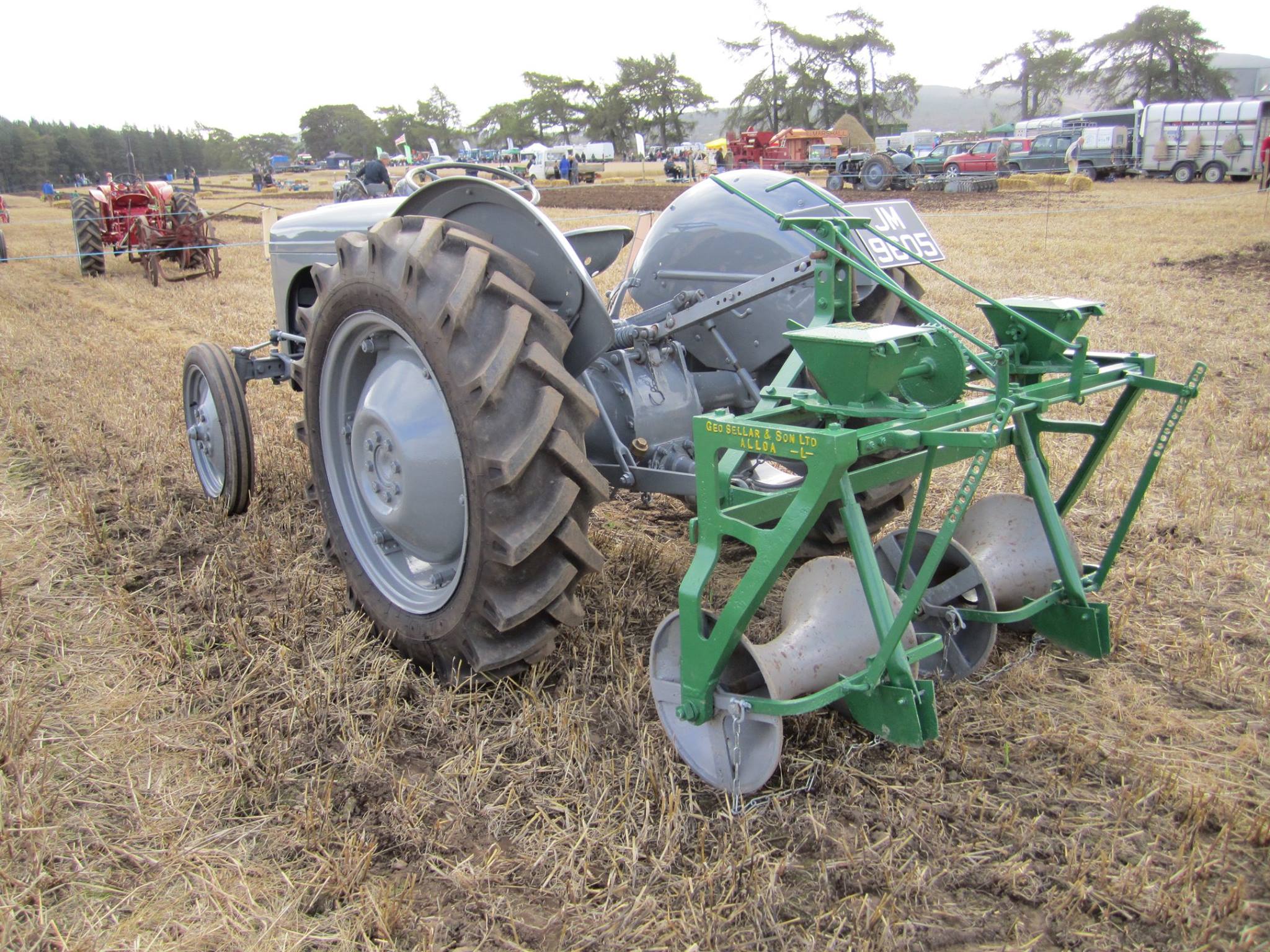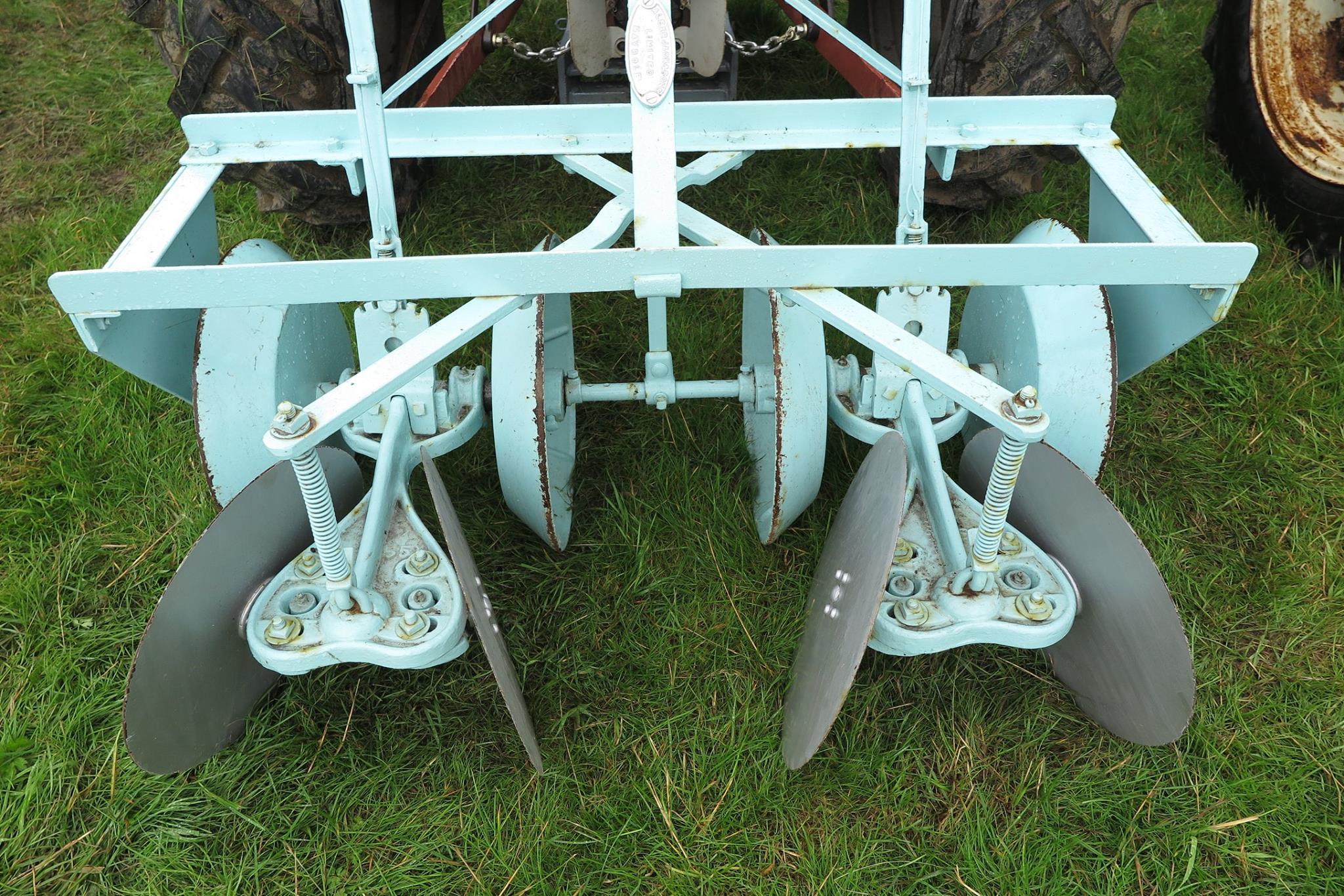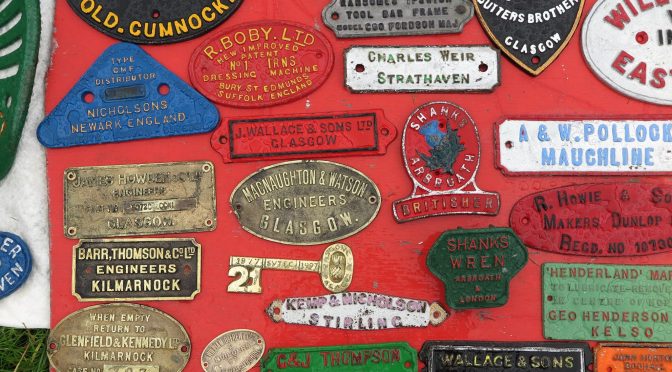
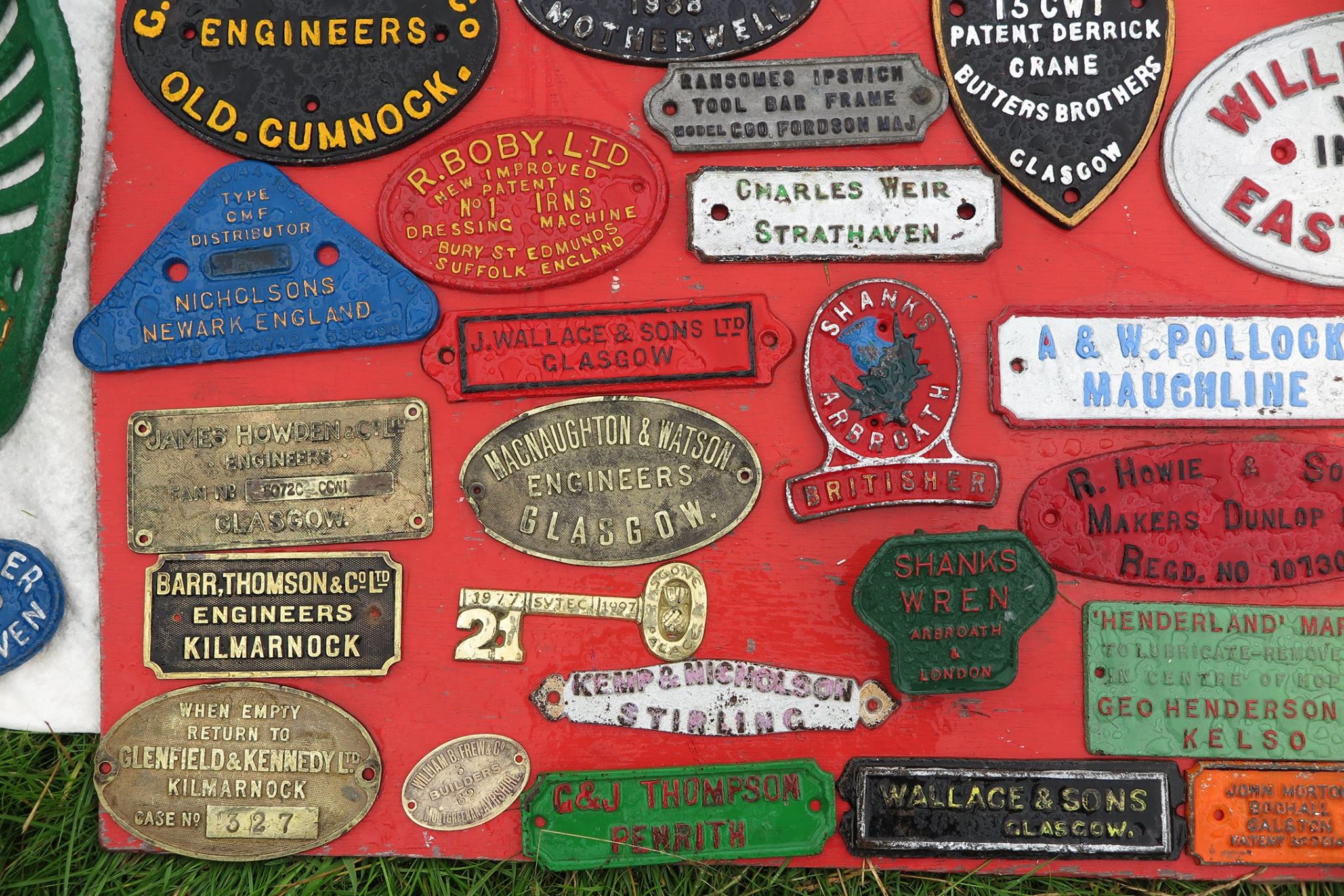
An implement maker from Kirkcudbright

One of the largest implement and machine makers in south-west Scotland was James Gordon. On his death in 1923,the North British Agriculturist included an extensive obituary. It provides a number of insights into the nam, his business and the implement trade:

“We noted last week the death of Mr James Gordon, in his time one of the most widely known men in the agricultural implement trade, which occurred at his residence, St Mary’s Drive, Kirkcudbright. Mr Gordon was born at Culraven, Borgue, near Kirkcudbright, on March 2, 1849, and it is of interest to note that his family have been connected with that farm for the long period of 400 years. In 1865 Mr Gordon went to Bradford, Yorkshire, to serve his apprenticeship with the then well-known firm of McKean, Tetley & Co., wholesale merchants and manufacturers. He had only been about three and a half years in the warehouse, when the management, recognising his ability, put him to the “road” as their representative, and he continued to act as their traveller, and that very successfully for the next four years. Those were exciting days, with great political unrest, and Fenianism was abroad in the land. It was during the years 1869-70 that Mr Gordon, then a strapping young Gallovidian, was sworn in as a special constable, and he retained until his death hhis baton as a memento of those stirring days.
In 1870, when the Highland and Agricultural Show was being held at Dumfries, Mr Gordon came to assist his brother John with his stand on that occasion, and this was his first introduction to the implement trade-a trade which soon came to claim such a large portion of his lifework and brought him into contact with agriculturists all over the country.
In 1872 his father passed away at Culraven, and he have up his situation at Bradford, coming to Castle Douglas to take over his brother John’s business, which had been established seven years before, and where a considerable business had been done in the seed and manure trade, as well as in agricultural implements. Mr John Gordon then went to take charge of the farm of Culraven, At that period agricultural implements were beginning to come into their own, and the business grew rapidly. In 1874 Mr Gordon introduced Wood’s side-delivery self delivery, which soon became very popular anode which a large number were sold in the next few years. Two years later he was the means of introducing another well-known machine, Harrison, Macgregor, & Co’s back-delivery self-delivery. It may be of interest to agriculturists to note that in those days, now so far away, the price of wool was 2s 6d per lb, grain 4s 6d a bushel, and hay about 1s 6d a stone. these were good prices, and thus farmers were enabled to go in for implements to a large extent. At the Royal Society’s show at Carlisle in 1881 Mr Gordon showed his champion turnip drill for the first time. It received the special attention of the judges and soon proved one of the most popular. A year later he showed the first binder in Galloway, the Walter A. Wood’s binder, which was tried on the farm of Marshfield, in the neighbourhood of Castle Douglas, then tenanted by his relative, Mr Payne, and also on the farm of Greenlaw, in the same district. It did good work, but at that time wire was used for binding the sheaves, and farmers had a strong prejudice against it. In addition, it was a pretty heavy draught.
Four years later Woods brought out a much improved binder, using twine in place of the wire, and this immediately came into its own. At the trials carried out by the Highland and Agricultural Society at Terregles, near Dumfries, Mr Gordon entered the Woods binder, and there was a great fight between the woods binder and a binder made by Hornsby, of Grantham, for the £100 prize offered by the Society. the judges were divided in their opinion as to the better machine, and eventually the prize was divided between the two competing firms. Mr Gordon’s next venture was the introduction, in 1900, of the Patent New Century Coulter on his drill. This was a big improvement on anything which had preceded it, and immediately brought his drill into the front rank, with the result that when he retired he had sold no fewer than 3500 of them. He also invented and registered the Galloway Turnip Cutter, with hinged hopper, and this too caught the popular fancy, he being sole agent over a wide extent of territory stretching from Penrith in Cumberland to Stranraer in Wigtownshire. He also patented an oil cake mill, with hinged hopper, on the same lines as the galloway cutter. Besides being agent for most of the leading manufacturers, Mr Gordon had a considerable workshop in Castle Douglas, where he manufactured, besides turnip drills and cutters, large numbers of cattle troughs, meat coolers, corn bins, ploughs and harrows, wheel barrows, &c, besides a large connection in repairing farm implements and machinery. As showing how he was respected as an employer, it may be mentioned that when the war broke out in 1914, one of his men had been 40 years with him, two about 35 years, one 24 1/2 years, one 17 1/2 years, and still another 5 years. Mr Gordon travelled through Wigtownshire twice a year, so that, with his four years in Bradford, he had travelled for over 54 years altogether, from 1868 to 1922.
When Mr Gordon came to Castle Douglas the last post left that flourishing market town at 6,40pm. He soon ascertained that the Newton Stewart people, who were 30 miles farther from London, could post up till two hours later. He took the matter up with the Postmaster-General, with the result, gratifying to the community as well as to himself, that a mail was granted up till 9.40pm, thereby adding very much to the convenience of the business community. In the course of the years he became well known among the agricultural community from Thurso to Cornwall, his turnip still being sent all over Great Britain by agents, and even to Nova Scotia, while the Canadian Government bought one 30 years ago.
While deeply engrossed in business, Mr Gordon found time tons serve the public in various useful capacities. he had been an elder in Kelton Parish Church and also Castle Douglas Parish Church for many years. In a more public capacity he was for long a member of Castle Douglas Town Council and also of the local School Board, and in both spheres did excellent work, always endeavouring to make for economy and efficiency. He was also vice-chairman of the Castle Douglas Citizen’s Union, and collected two-thirds of the funds to set it afoot. He also took a leading part in the formation of a branch of the Middle Class Union.He had been a life member of the Highland and Agricultural Society for 44 years.
Mr Gordon had a very worthy helpmate in his wife, who ably assisted her husband in his business career,a nd during the war years did an extraordinary amount of work on behalf of war charities, taking a prominent part in organising efforts on behalf of serving soldiers and their dependents.

Have you seen any implements and machines made by James Gordon?

Share

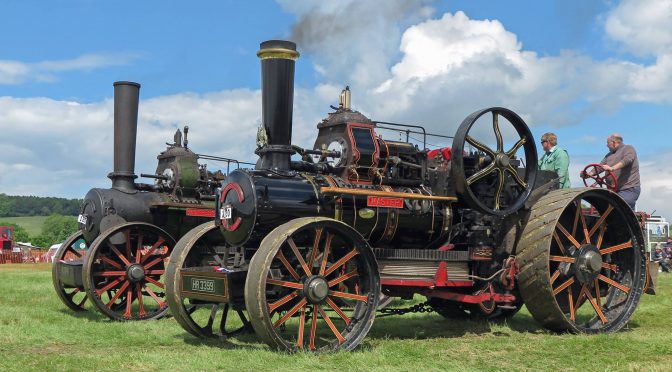
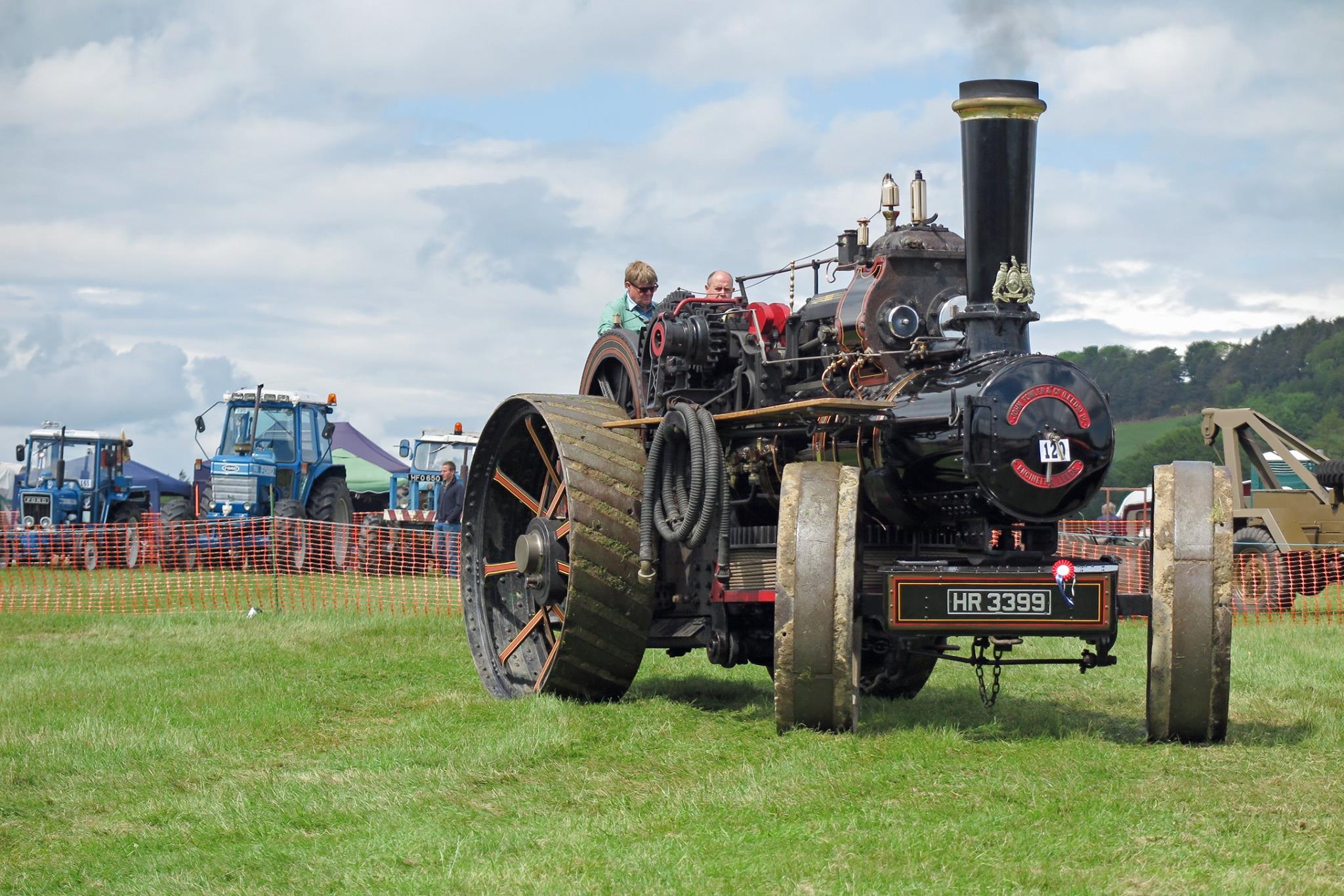
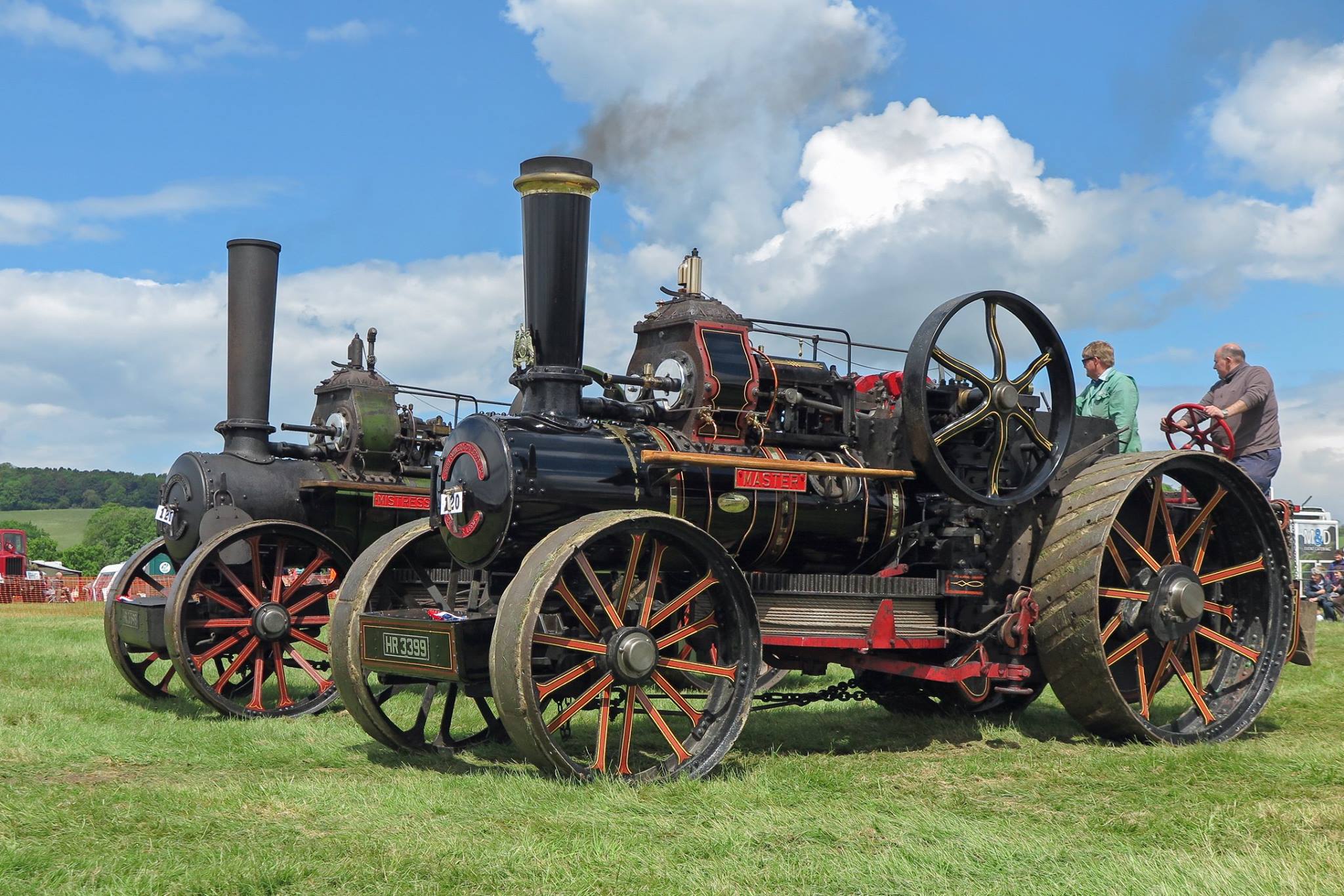
A rather special display: Master and Mistress

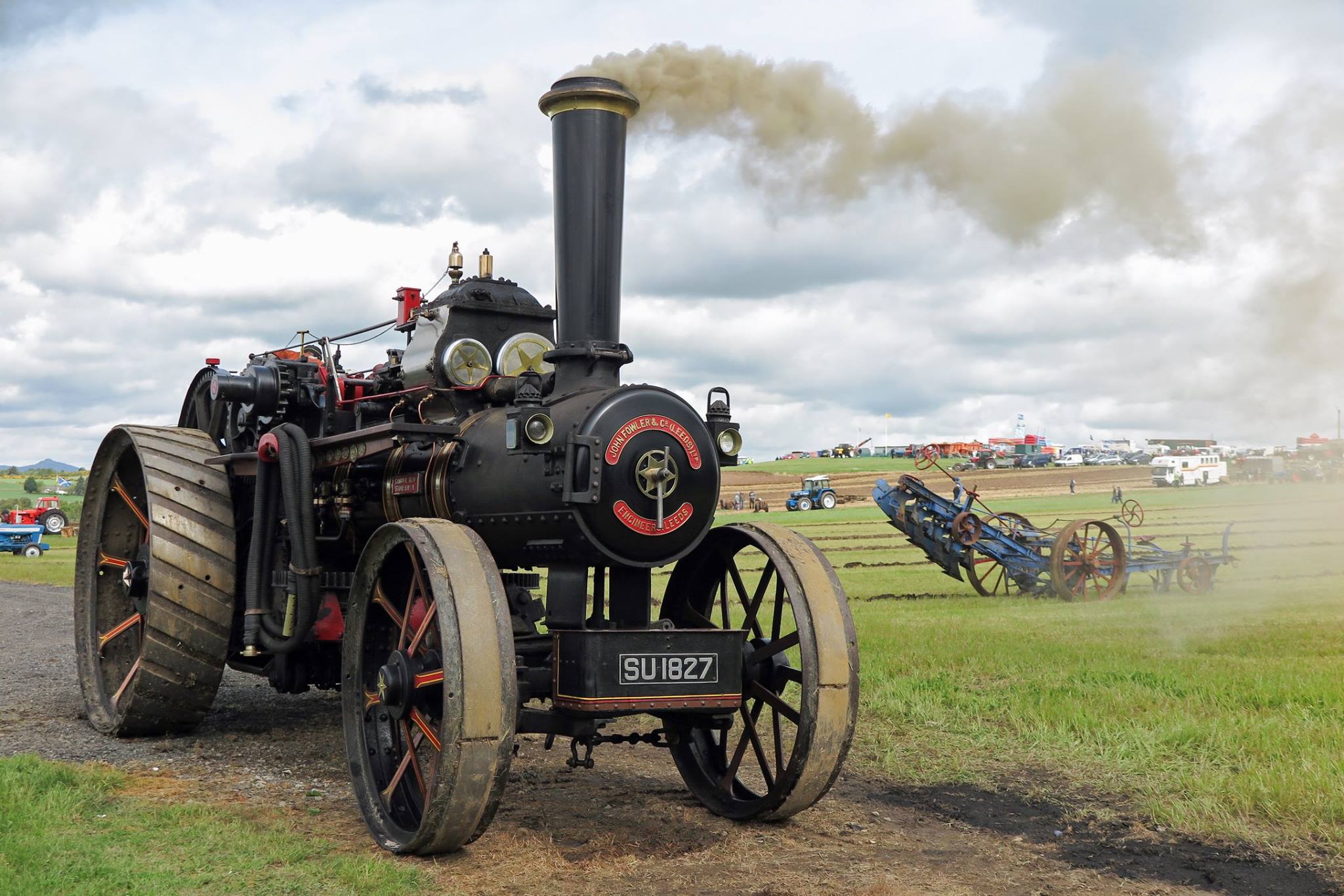
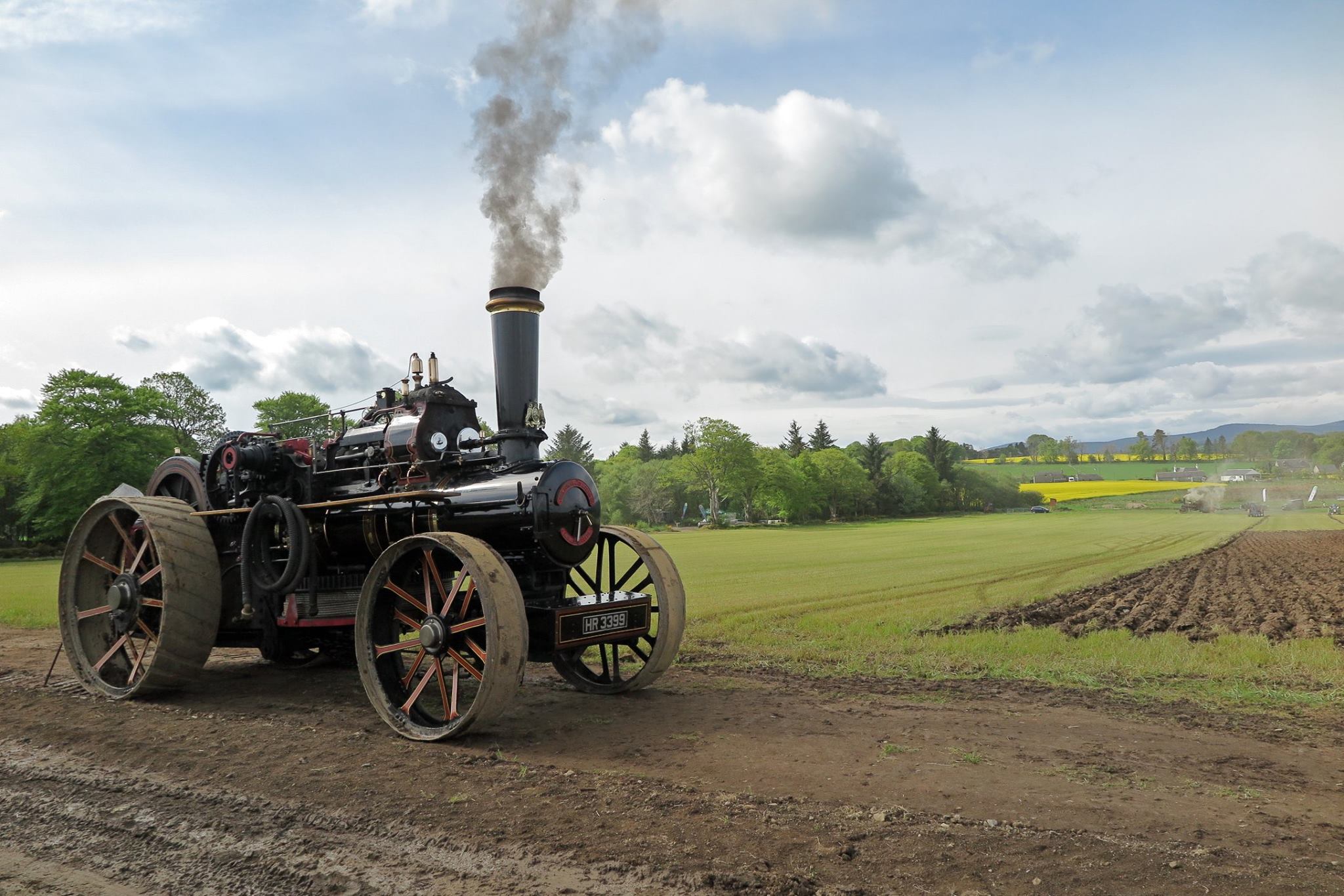
Around our rally fields during the summer months we get to see some rather special displays. They might be of rare tractors or implements or machines or of particular exhibits brought together. On Sunday at the Fife Vintage Agricultural machinery rally we had a number of these, including the first Case tractor to arrive into British shores.

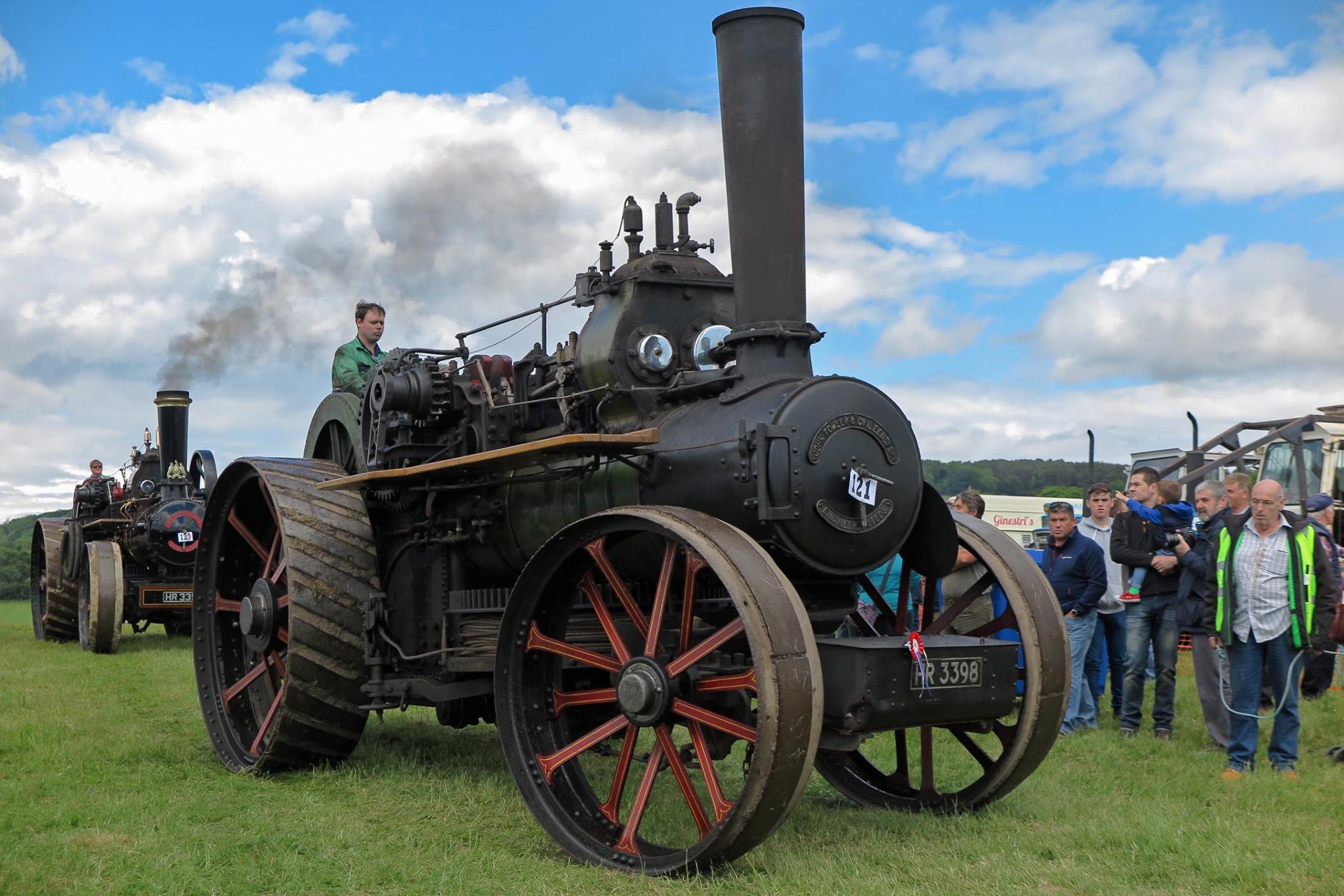
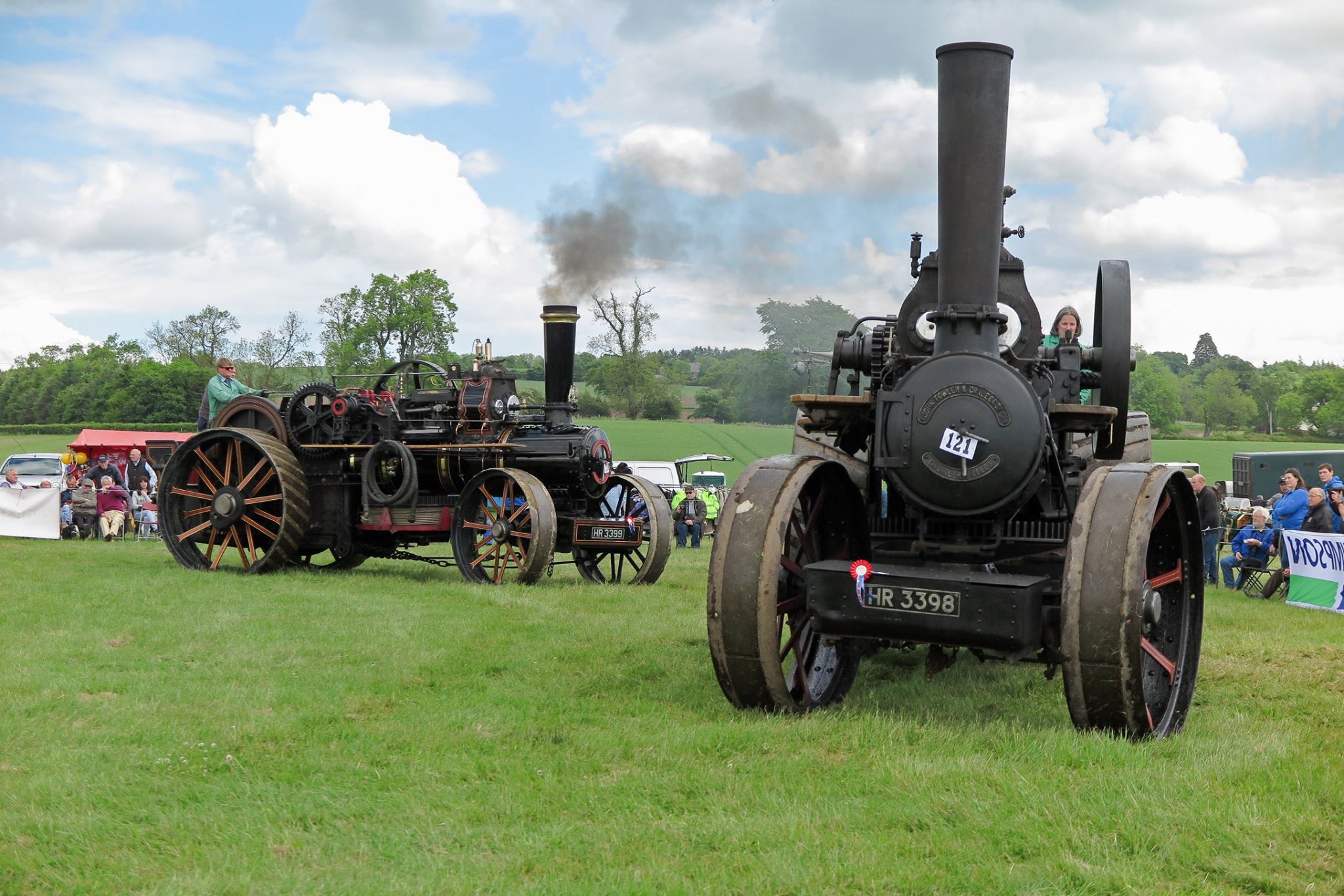
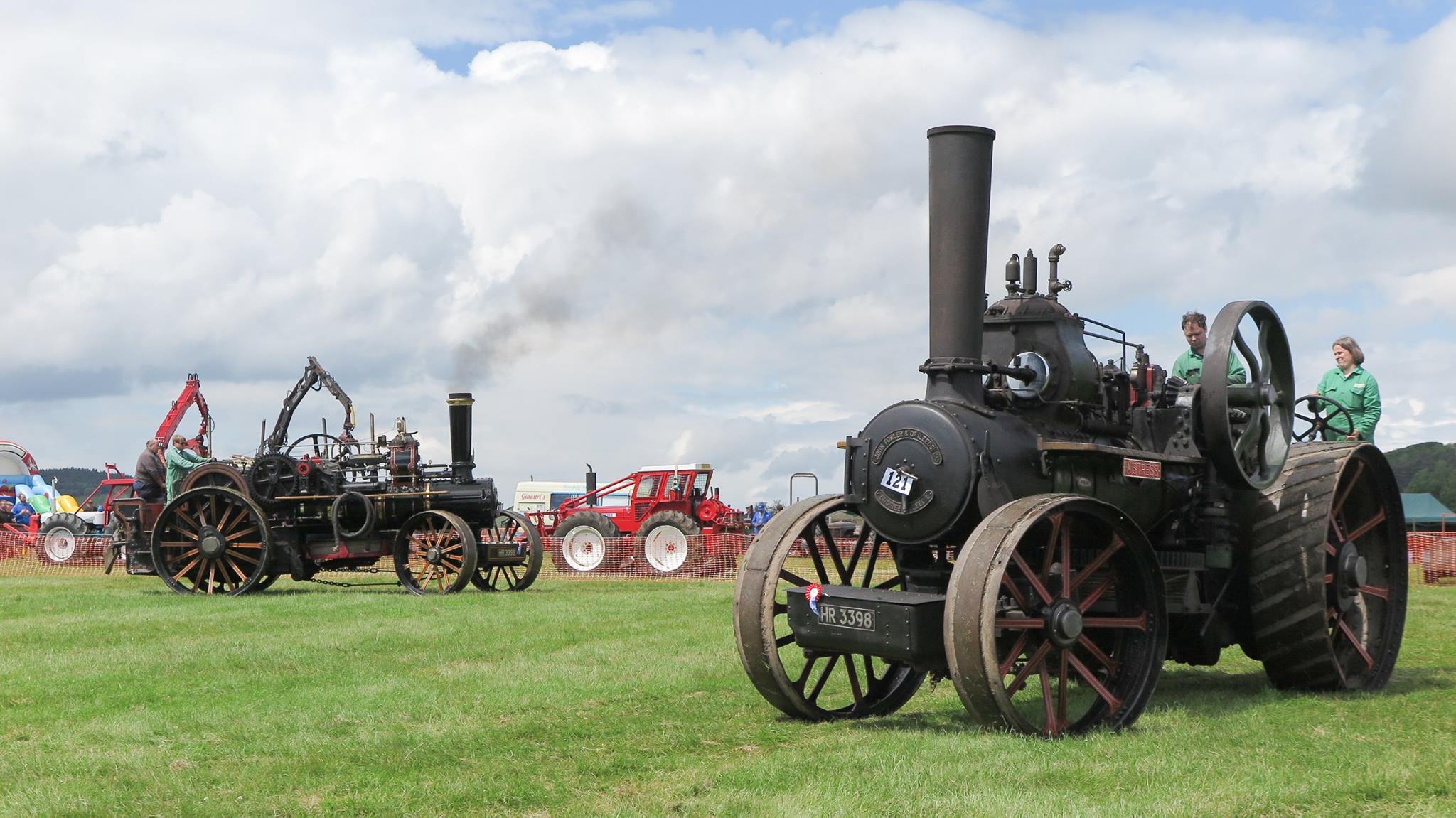
For me the most outstanding one was the two ploughing engines, Master and Mistress around the rally ring. Regular readers of this site will maybe have spotted that I have an enthusiasm for ploughing engines. But this was a really special display: you may recollect having seen the engines at the Scottish Ploughing Championships in 2014, the first time that they worked together since the two engines were reunited in the spring 2012. But this was the first time, I believe, that they were together around the rally ring. And didn’t they look spectacular.

Master and Mistress are special engines. They were the first of the BB1 engines that came off the Fowler of Leeds production line as part of a Munitions contract to build around 60 sets of engines (the number varies according to different sources). The engines were sold to Arthur Stratton of Alton Priors, near Pewsey, Wiltshire, whose family had started using steam cultivation back in its early days and by the 1870s had a number of sets pf engines. Stratton, who was well renowned in National Farmer circles died in 1918 in a car accident. Both engines were later sold to Thomas T. Boughton of Amersham, Bucks, who intended to send them to East Africa to take part in the Ground Nut Scheme, In preparation, the two engines were repainted from their black livery to a dark green one. However, they never left British shores. The engines were used by Ransomes to test a large scale disc plough.

When the engines entered preservation, passing into the hands of a number of different owners, Master was repainted in his black livery, and cosmetic additins added over the years. Mistress came into the hands of the Matthews brothers, near Toronto, and was shipped over, where she spent nearly 50 years in a heated shed. But before she left British shores in 1962, it is believed that she and Master attended the Woburn rally. Steam film enthusiasts will know that the two engines appeared in the feature film The Iron Maiden (its a great film to watch on a rainy Saturday afternoon during rally season).

After the Cook family of Leven purchased Master in 2010, the opportunity arose for them to bring Mitress back from Canada. She arrived back in Scotland nearly 50 years after their separation. As Old Glory magazine noted at the time “Master gets his Mistres back after 50 year gap”.

Since that time rally goers will have seen either Master or Mistress around the rally field. It really was a special sight to see the pair of engines together around the rally ring.

Enjoy the photographs of that impressive sight!

Share

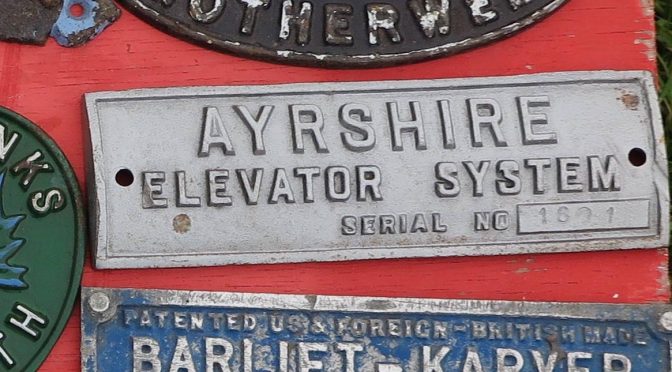
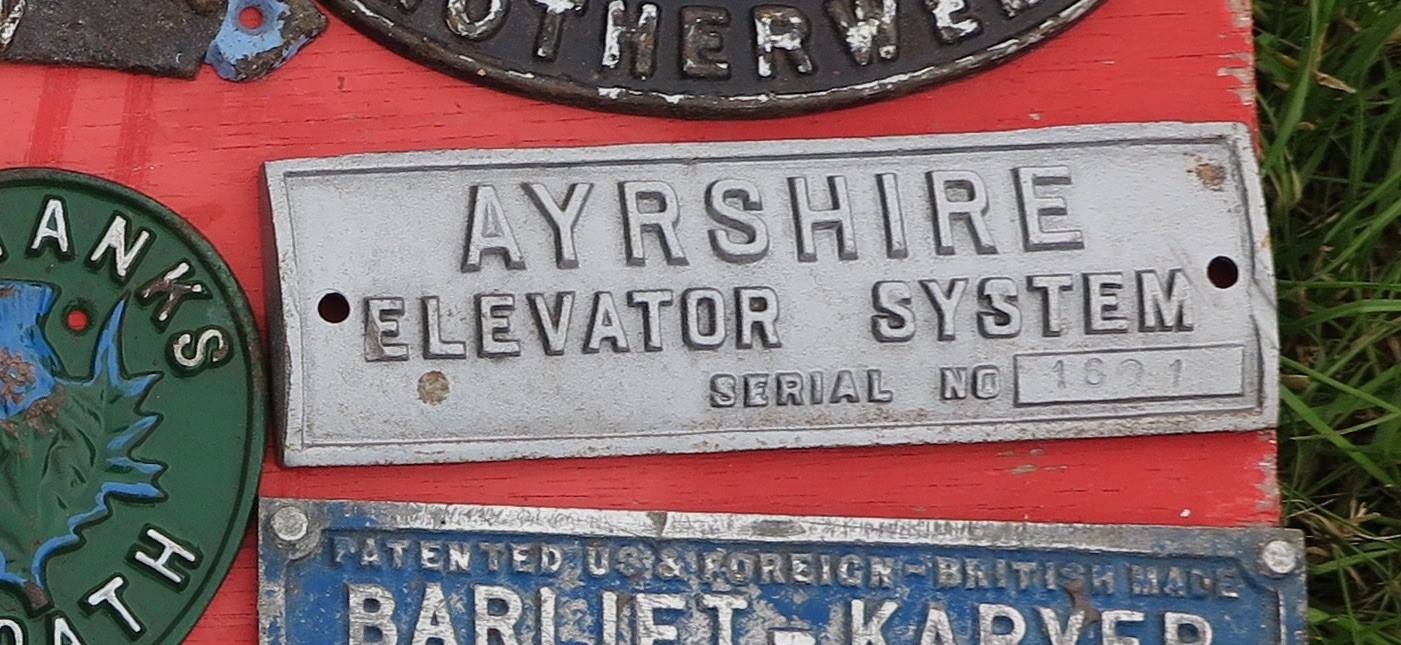
An Ayrshire name from the early 1960s: Ayrshire Elevator Co. Ltd

The Ayrshire Elevator Co. Ltd, of Ayrshire Elevator Works, Knockentiber, Kilmarnock, was incorporated on 19 January 1959 and continued in business until it was dissolved on 29 October 1982; it ceased trading from 1974 onwards. Its proprietor was the Hurlford Engineering Co. Ltd, with Gerald Harris, an agricultural implement maker, being a Director.

It was a small implement and machine maker, with a share capital that did not exceed £5000. Its objects included carrying on the business of merchants, wholesale and retail, dealers in and manufacturers of mechanical and other implements, tractors, vehicles, and equipment and articles of all kinds designed for or adopted for use in agriculture and farming in all their branches; the carrying on the business of manufacturers, importers, exporters, and merchants, both wholesale and retail, of and in manures, fertilisers, sheep-dip, feeding stuffs, fattening preparations of all kinds, hay, straw, grain, feed and flour, and in agricultural and horticultural produce of all kinds.

The business was a forward-looking one, with Gerry Harris, inventing a number of implements and machines that were entered for the new implement award of the Royal Highland and Agricultural Society of Scotland in 1960. These were an automatic bale pick-up attachment fitted to Ayrshire elevator; a sugar beet cleaner, fitted to Ayrshire elevator, and attachments for bulk storing potatoes, fitted to Ayrshire elevator. It exhibited at most of the Highland Shows in the 1960s and sporadically advertised in the Farming News and the Scottish Farmer.

If you visited the company’s stand at the Highland Show in 1960 you would have seen a wide range of its implements. They included a standard elevator; a standard elevator arranged for bulk storing potatoes, complete with fixed extension and oversize wheel equipment designed to deliver potatoes at heights up to 9 feet; a standard elevator complete with automatic swinging extension designed to bulk store potatoes at heights of 8 ft 6 in and distribute them evenly through an arc of 6 ft; a dairy elevator with automatic pick-up coupled to Fordson “Dexta” tractor; a dairy elevator, fitted with lightweight bale extension for delivering bales to 21 feet; a dairy elevator with oversize wheel equipment; a standard elevator equipped with sugar beet cleaner and throw-off chute; a standard elevator equipped with automatic swinging extension; and a standard elevator, fitted with an automatic pick-up unit for round or square bales.

The Ayrshire name was closely linked with modern bulk handling – the way to modern, mechanised farming.

Share

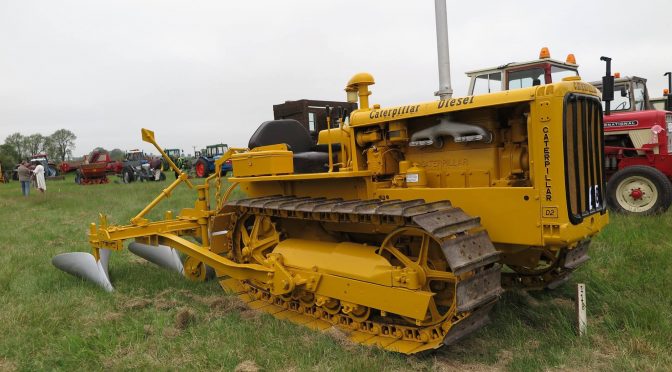
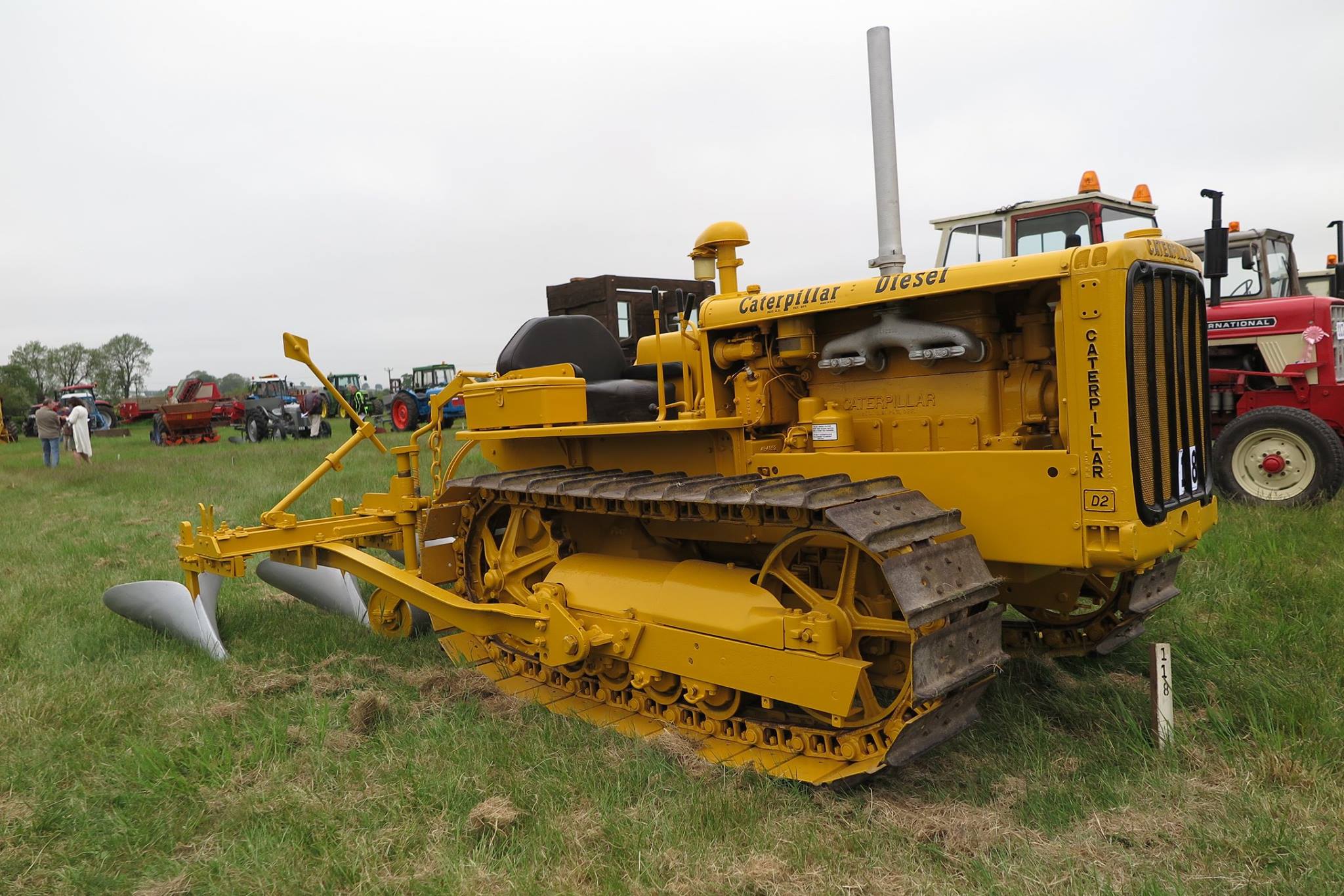
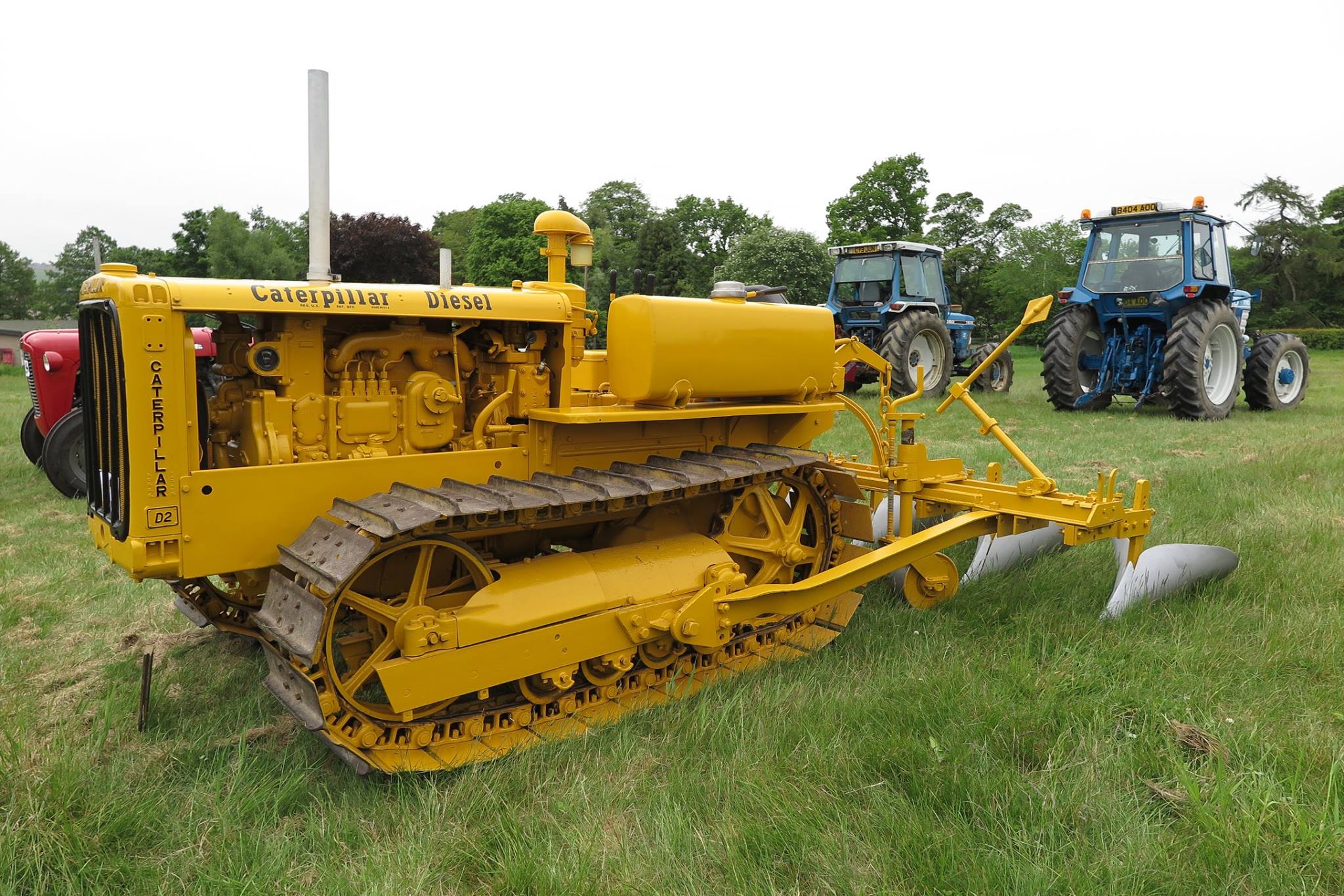
Thinking of buying a Caterpillar in Perthshire?
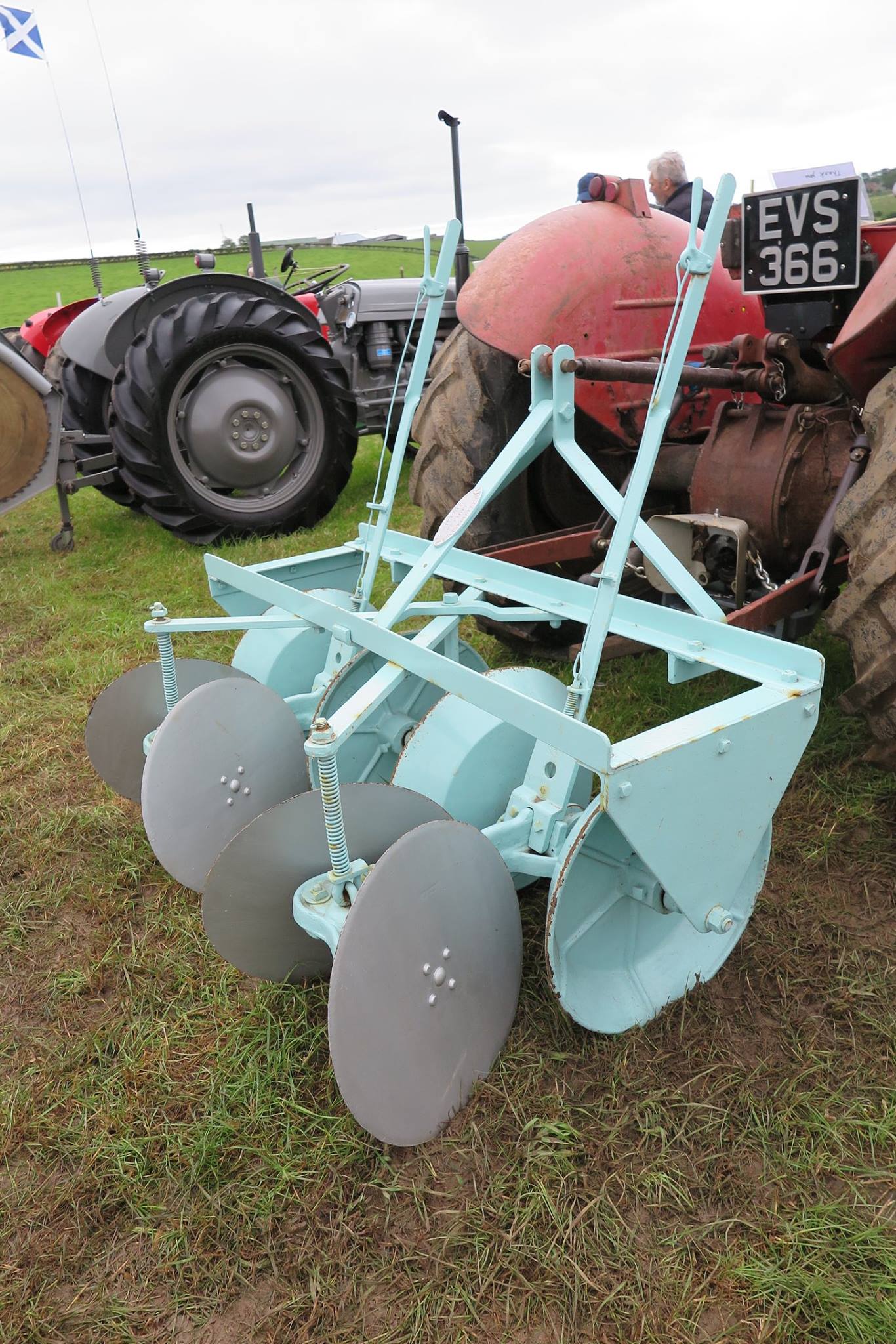
If you were a farmer in Perthshire or the surrounding counties from the 1930s to the early 1950s and you wanted to purchase a Caterpillar tractor you might have thought about purchasing one from L. O. Tractors Ltd of Perth. L. O. Tractors of St Catherine’s Road, Perth, were already operating as an agricultural tractor distributor in 1938; they continued in business until at least the end of 1950. Local directories also record them in 1939 as an engineer, iron founder and millwright, as well as an agricultural tractor distributor. Their agencies included Caterpillar and John Deere.

In 1948 they exhibited at the Royal Highland Show a range of Caterpillar track type tractors, as well as equipment for them made by The Birtley Co. Ltd, Birtley, Co. Durham, tractors and agricultural machinery manufactured by Deere & Co., Moline, Illinois. They also sold the “Angus” single and double row potato diggers, also sold by Jack Olding & Co., Herts.

If you are looking through old issues of the North British Agriculturist and the Scottish Farmer, you might notice the distinct adverts of L. O. Tractors. The company was also one of the small number of advertisers in the Transactions of the Highland and Agricultural Society of Scotland  (http://archive.rhass.org.uk/…/transactions-of-rhass-…/610883)

Powerful adverts to advertise powerful tractors!

The photographs were taken at the Fife Vintage Agricultural Machinery Rally, June 2016.

Share

Steam ploughing at B. A. Stores Vintage Country Fair

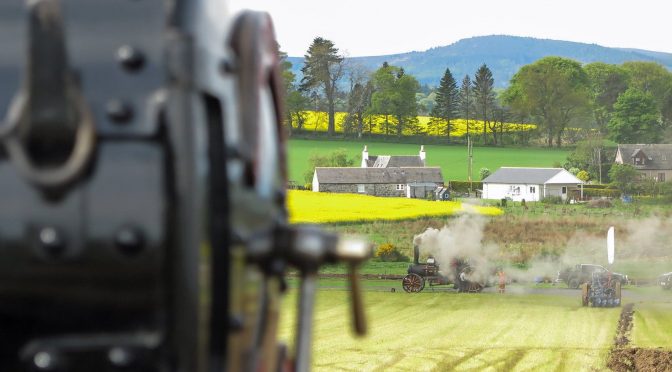
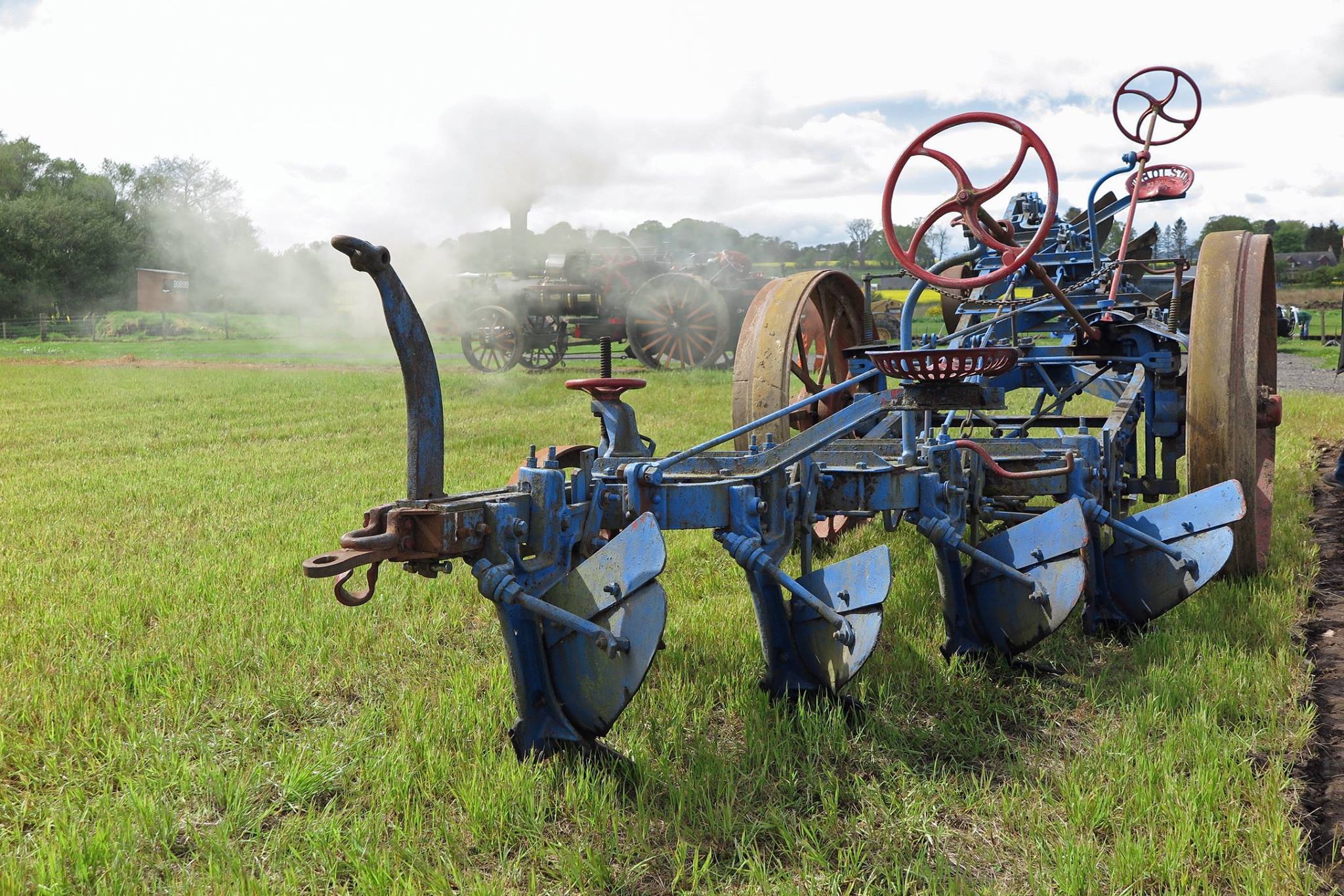
It isn’t often that there are demonstrations of steam ploughing in Scotland. As a working practice, it continued on farms until the early 1950s. The last working sets appear to have been in East Lothian.

The steam ploughing at B. A. Stores uses the double engine system, with an engine at either end of the field. It became synonymous with John Fowler & Co. (Leeds), Ltd, the most famous ploughing maker of all, though not the only one. The plough is pulled between the engines, going backwards and forwards. One set of ploughs work one way; the plough is tipped up, and the other set work back the other way.

The two engines are from different sets of engines. At the top of the field is “Master” from 1918. His partner engine, “Mistress”, still survives in preservation in Fife – they were working at the 2014 Scottish Ploughing Championships. At the bottom of the field is a smaller engine “Sam Hird”, of 1925, named after its owner, Samuel Hird, a contractor of steam ploughing who lived for many years at Sauchenshaws, before moving into Fife, at Kincaple. That engine played a central role in the early days of the Scottish traction preservation engine movement, and was “saved from the cutter” by the newly established Scottish Traction Engine Society in the early 1960s.

Share

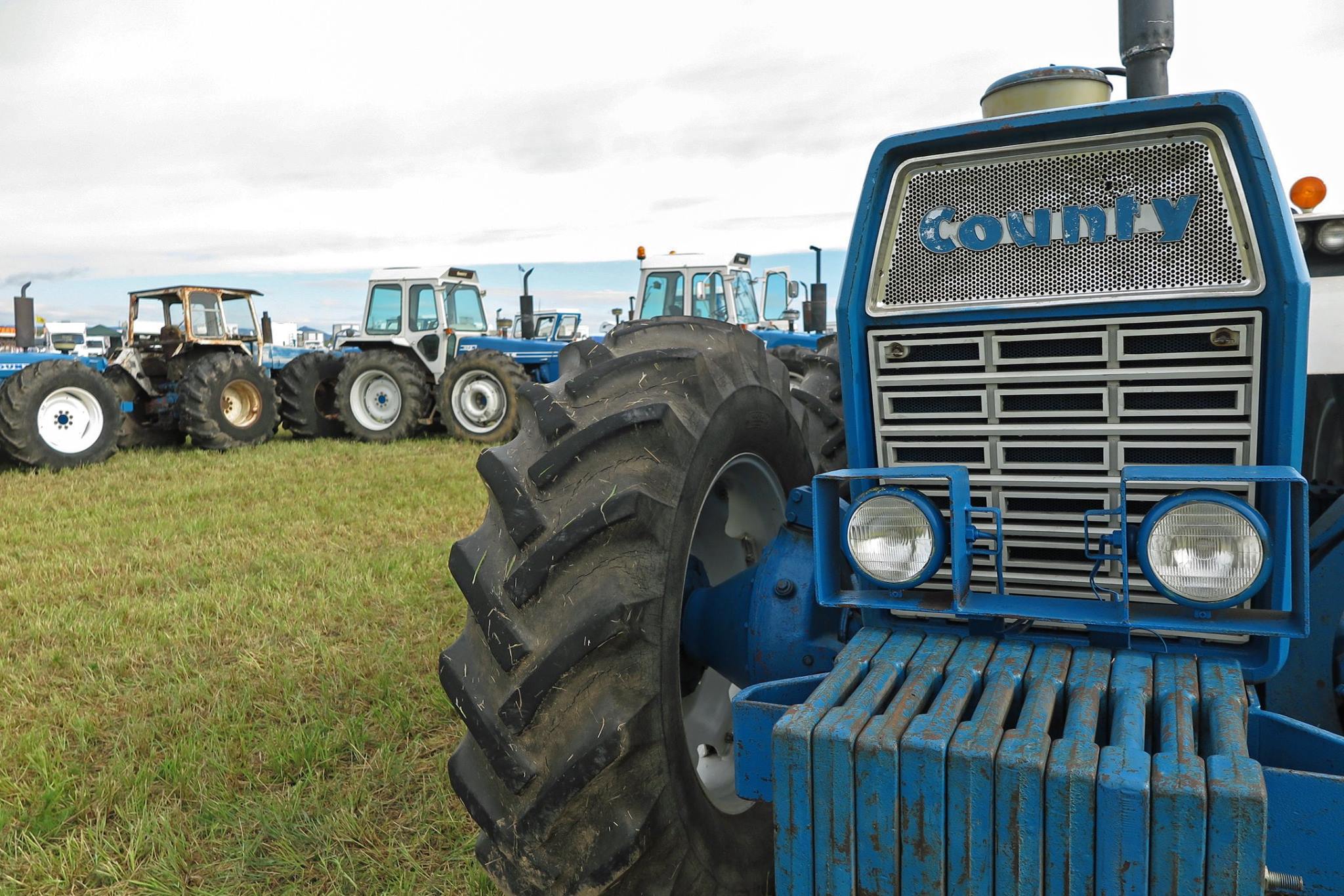
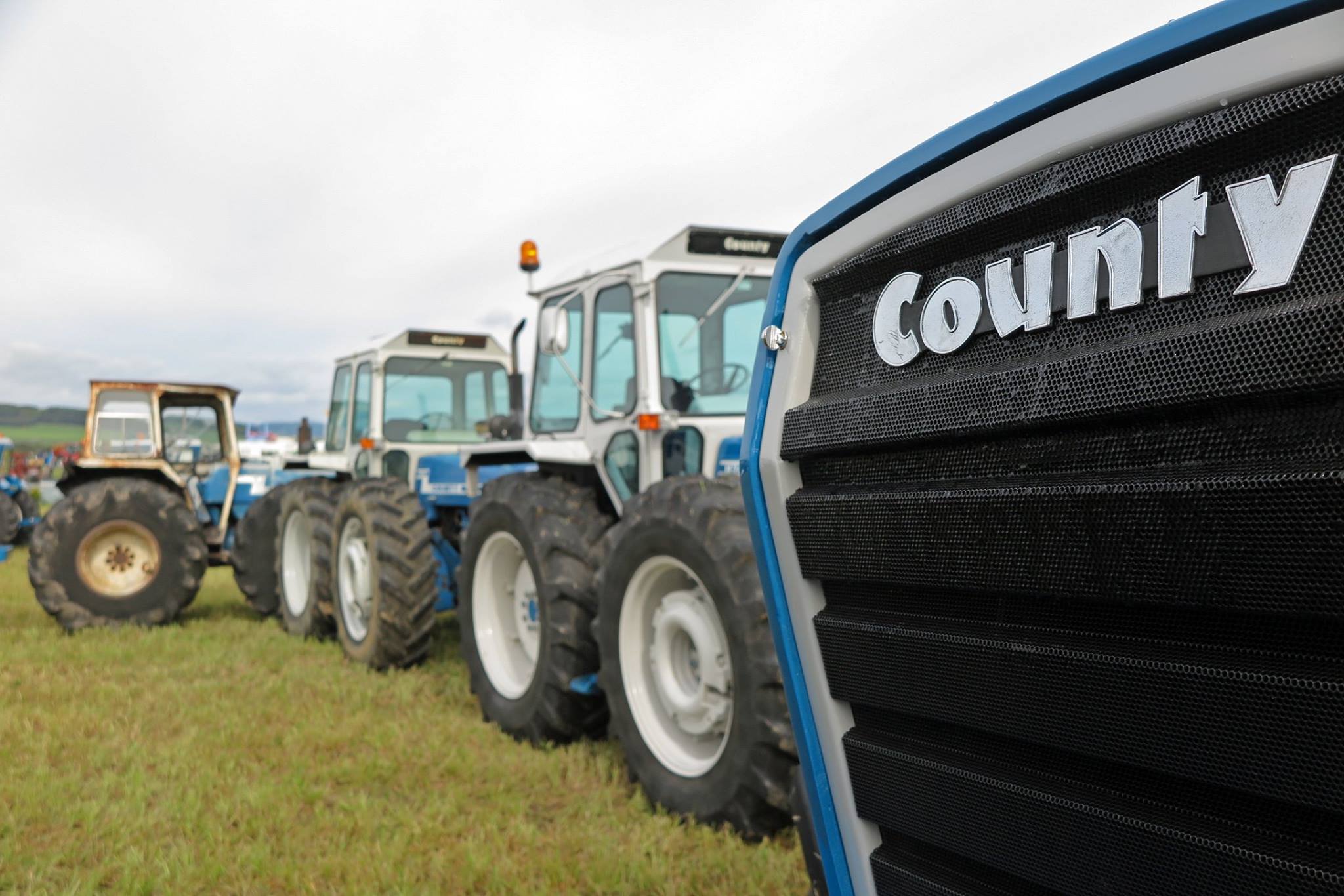
A big birthday celebration – the Scottish County Tractor Club

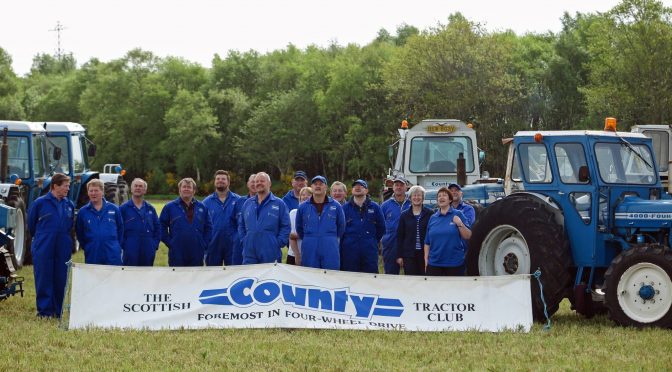
If you are ever around the rallies where the Scottish County Tractor Club exhibits, you will always know that they put on a superb display, whether it is in the selection of tractors, or the performances around the rally ring. The Club’s display at the B. A. Vintage Country Fair at the weekend was no exception. The Club is celebrating its 15th birthday. So in County Club style, it put on something rather special with the tractors on display (around 30 of them – that is a lot of horses together!).

The Club put together a display in the shape of the number 15, all from tractors. These were arranged from the lowest power crawlers up to the mighty 1454s. They were photographed on the Sunday morning before being arranged into another eye-catching and working display.

I’ve attached some photographs of the celebratory number 15. If you want to find out about the Club, please see its website at http://www.scottishcountytractorclub.co.uk/index.html. The Club also has a Facebook page at https://www.facebook.com/County-tractor-club-Scotland-1415…/.

I’ve heard that the Club will be exhibiting at the Fife Vintage Rally on Sunday 4 June. Details at http://www.fvamc.co.uk

Enjoy the photographs!

Share

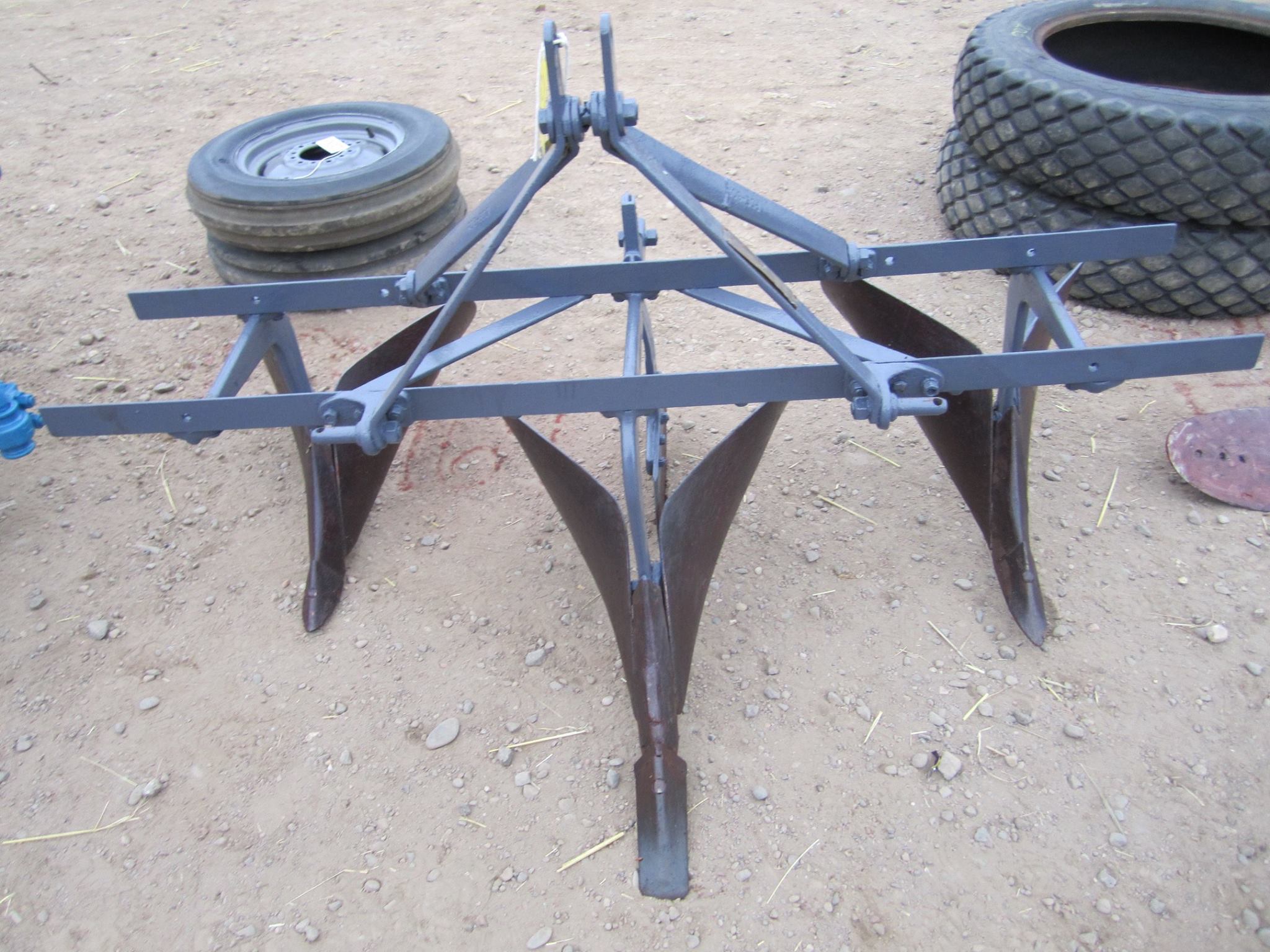
Ridging

The growing of crops in drills started in Scotland in the eighteenth century. The first crops to be grown were turnips follow much later with potatoes (they were first grown in the field in the early 1740s).

Ridging ploughs were a key implement in opening furrows for potatoes. After planting the soil was turned back over the potatoes with a ridger, plough or hand hoes. The splitting back of the ridges with a tractor-drawn rider required a lot of concentration – well, if you were not paying attention you had to look at your “mess” for a number of weeks until the growing plants hid your job.

Ridging ploughs were made by a number of the Scottish and English implement and machine makers. In the early 1950s they included both horse drawn and tractor drawn ones, with the latter being more numerous.

The Adrolic Engineering Co Ltd, Clober Works, Milngavie, manufactured with hydraulic tractor mounted, rear or mid-mounted riders. A. Newlands & Sons Ltd, St Magdalene’s Engineering Works, Linlithgow, had a set of hydraulically mounted 3-row toolbar with fixed or spring release bodies. John Wallace & Sons (Ayr) Ltd, Towhead Works, Ayr, manufactured a combined double-furrow ridging plough and fertiliser distributor.

If you are around the Scottish rally fields you will see some of the English makes that were widely used – those made by David Brown Tractors Ltd, and Harry Ferguson Ltd. Have you noticed how many sets of Ferguson riders are still around and exhibited?

When you are around the rally fields this summer have a look to see how many ridgers are around and the makers.

The photographs were taken at the Scottish National Tractor Show, September 2015.

Share

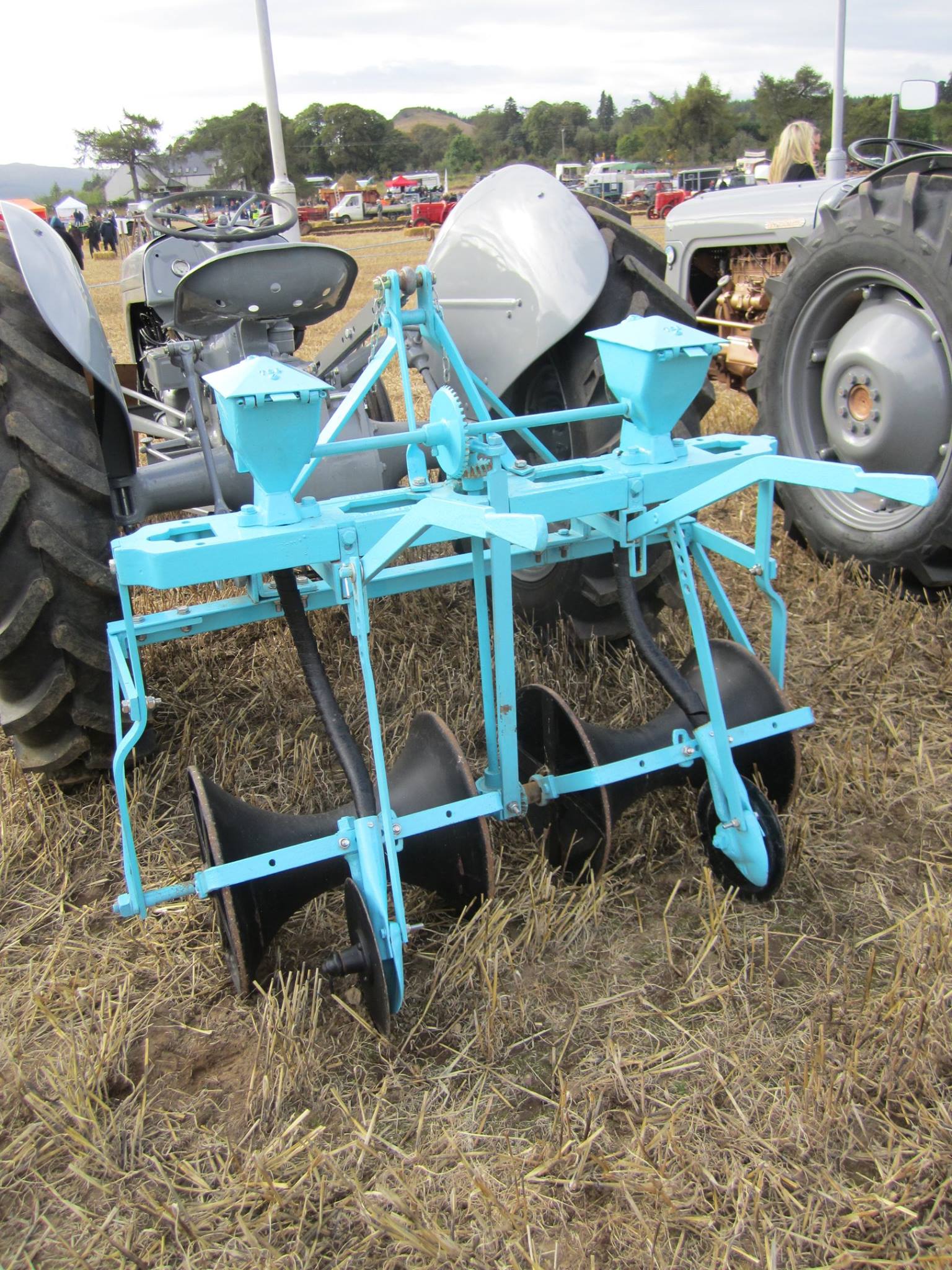
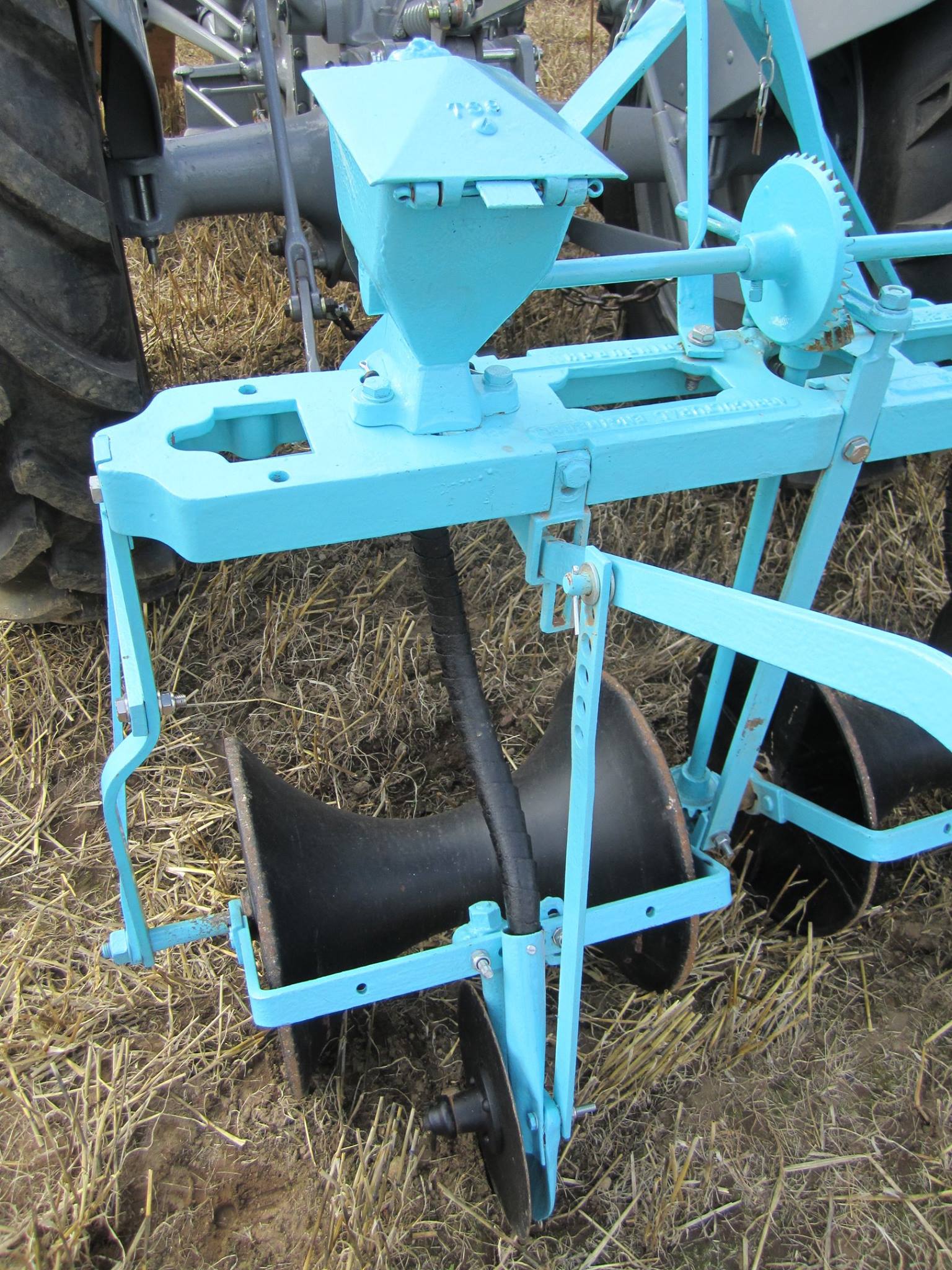
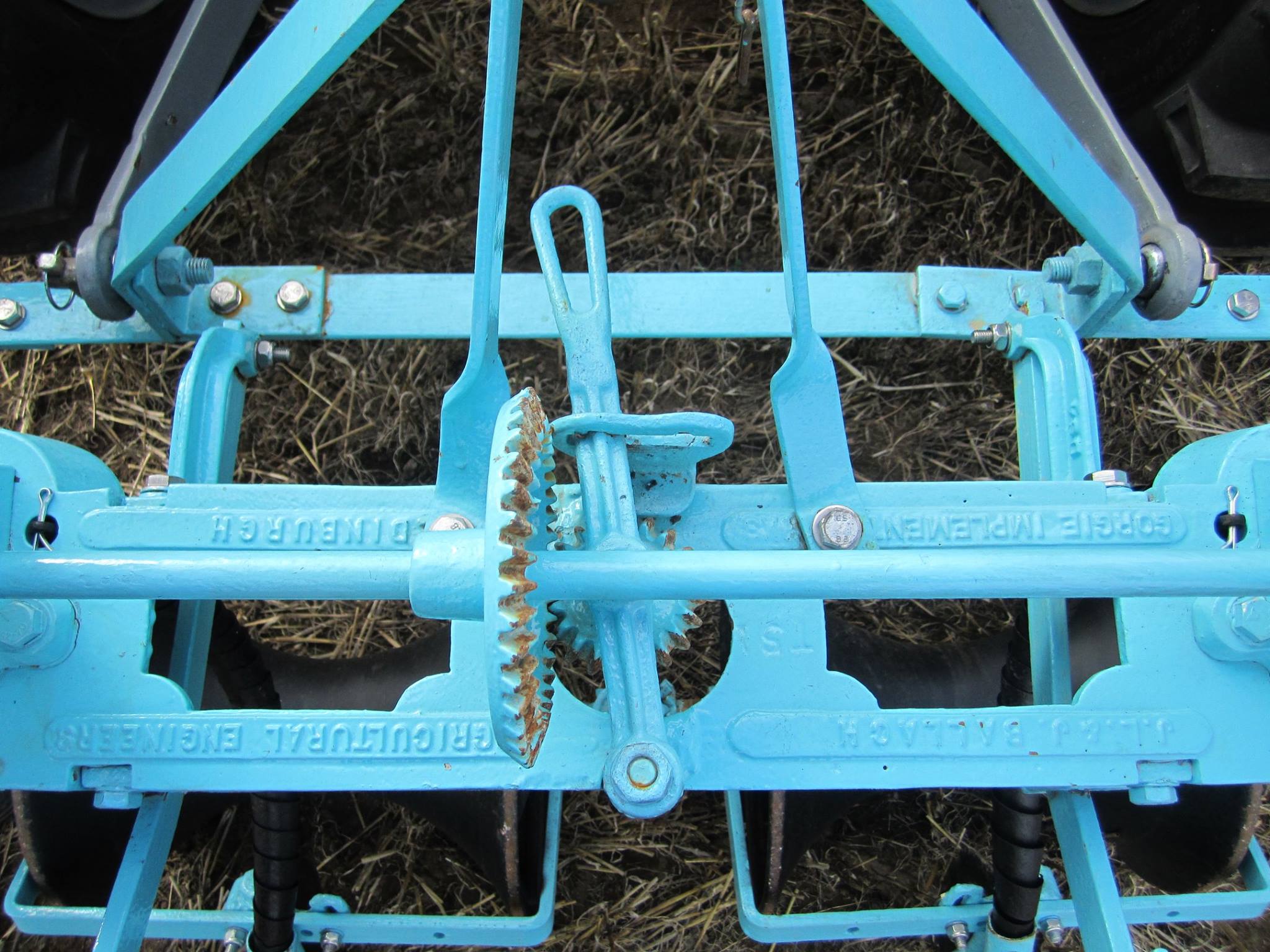
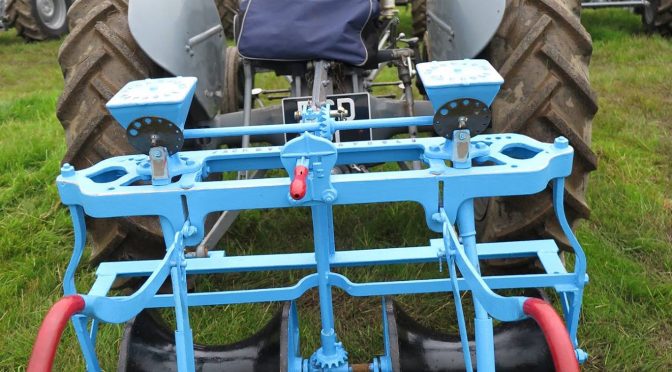
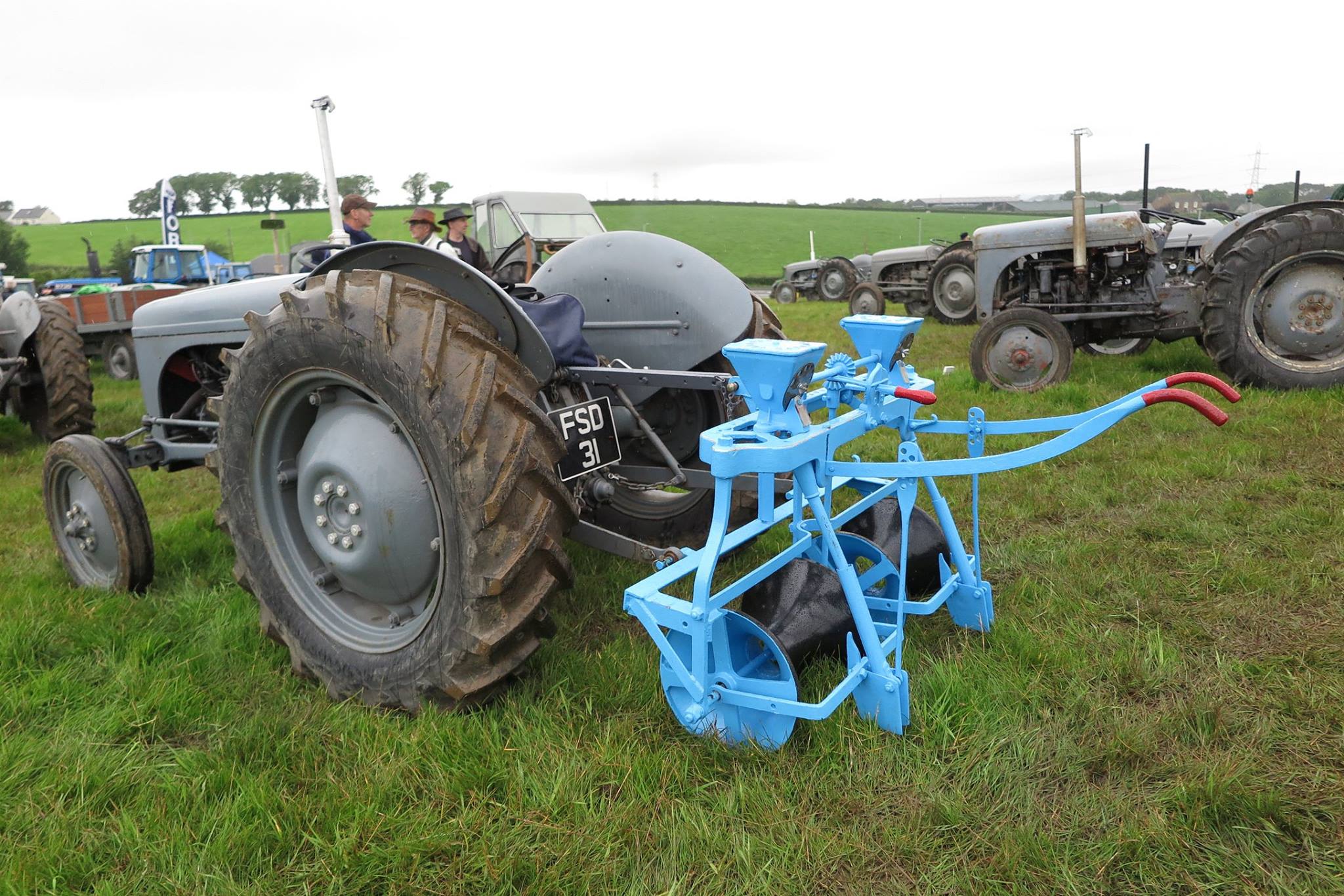
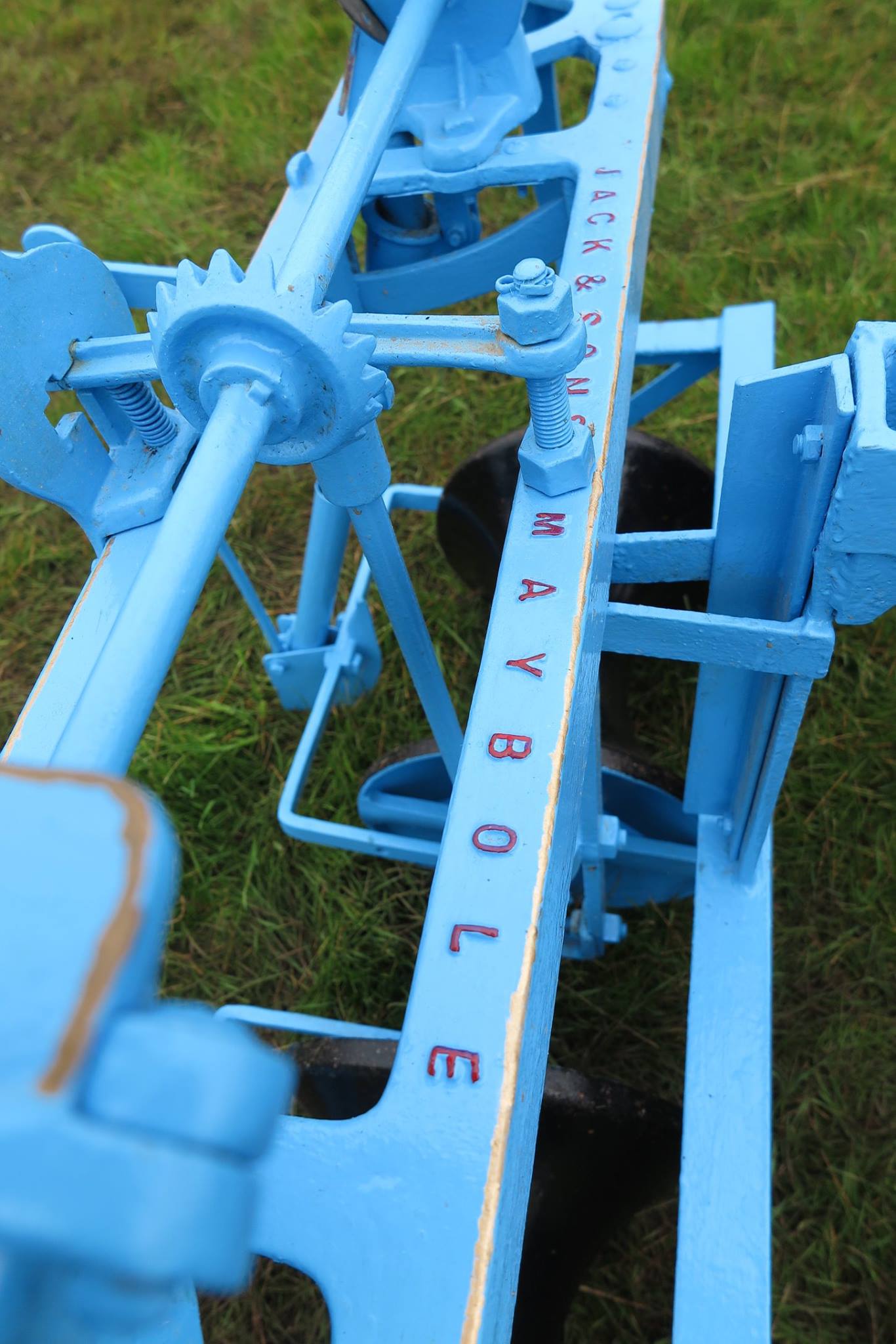
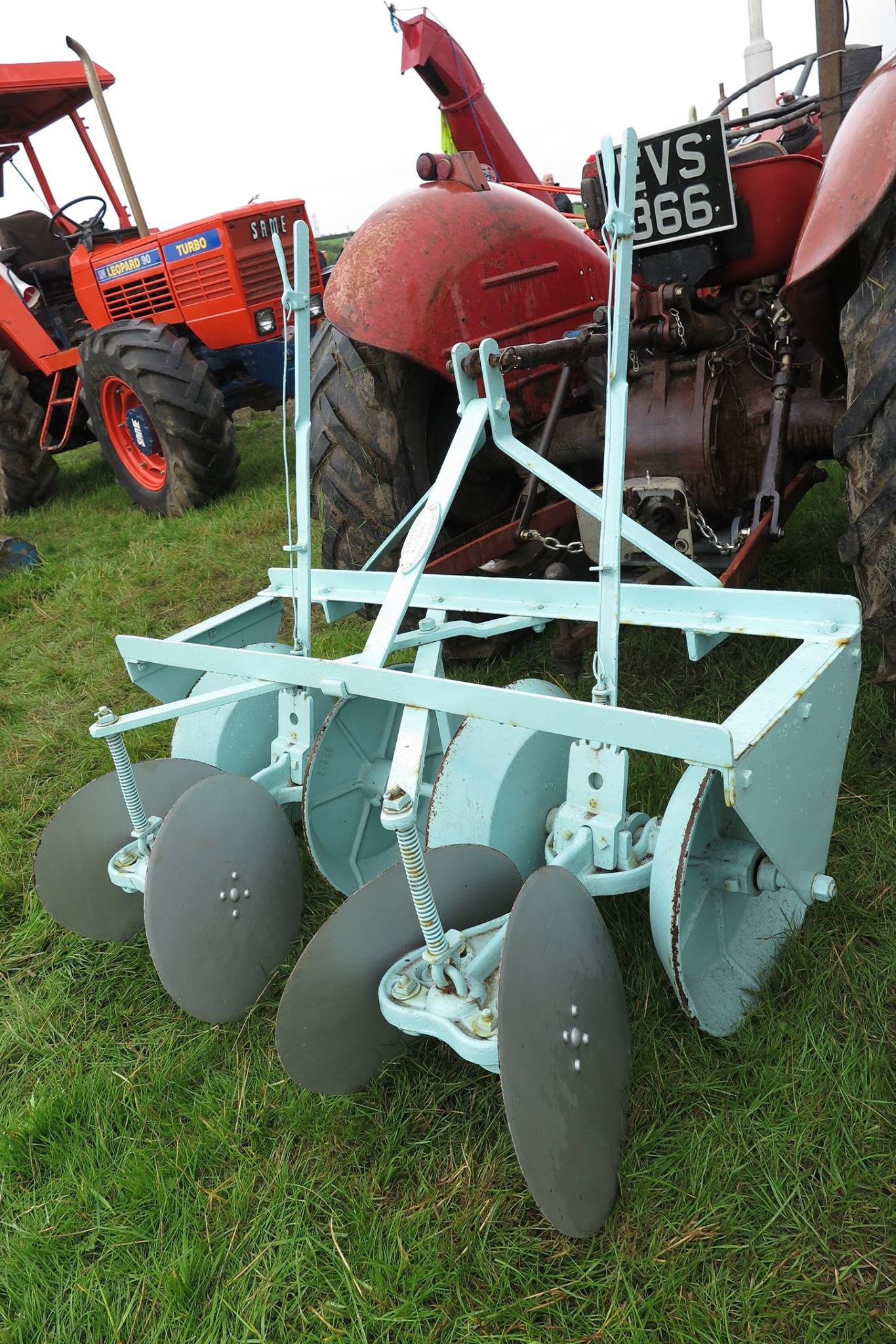
Buying a turnip sower in 1952

In 1952 there were a number of turnip sowing makers in Scotland who sold a range of machines. Some were renowned and long-established makers.

In you were a farmer or agriculturist in the Lothians you could purchase a turnip and mangold sower from J. L. & J. Ballach, Gorgie Implement Works, Edinburgh. The company was renowned for its “New Champion” makes, either 2 row or 4 row, with the 2 row being horse drawn and the 4 row being tractor drawn. They had disc or plain coulters. They to be used on drills with a 26 or 28 inch width.

In the central belt, Cruikshank & Co. Ltd, Denny Iron Works, Denny, made a three and 4 row hydraulically mounted drill with three point linkage for tractors.

In the east, James Brown & Son, River Street, Montrose, Angus, had a 4 row tractor drawn turnip drill, while the Forfar Foundry Ltd, Forfar, also made a machine.

In the north-east, MacDonald Brothers, Roseacre Street, Portsoy, Banffshire, manufactured a horse drawn machine.

In the south-west, J. & R. Wallace Ltd, The Foundry, Castle Douglas, Kirkcudbrightshire, manufactured a two row, horse drawn machine to sow turnips on ridges; it was fitted with diabolo rollers. So too did Charles Weir, Townpark Works, Strathaven, Lanarkshire.

English machines were also available to Scottish farmers to purchase. They included ones made by noted companies such as Catchpole Engineering Co. Ltd, Bury St Edmunds, Suffolk, S. Corbett & Son, Wellington, Salop, Diss Foundry Ltd, Victoria Road, Diss, Norfolk, J. B. Edlington & Co. Ltd, Gainsborough, P. Platts & Sons Ltd, Doncaster, Russell’s (Kirbymoorside) Ltd, Kirbymoorside, Yorkshire, and Thomas & Son, Barnstable, Devon (with Twose seed drills).

You can still see a few turnip drills made by Scottish makers around the rally fields.

The seed drills were photographed at the Strathnairn rally, September 2014.

Share

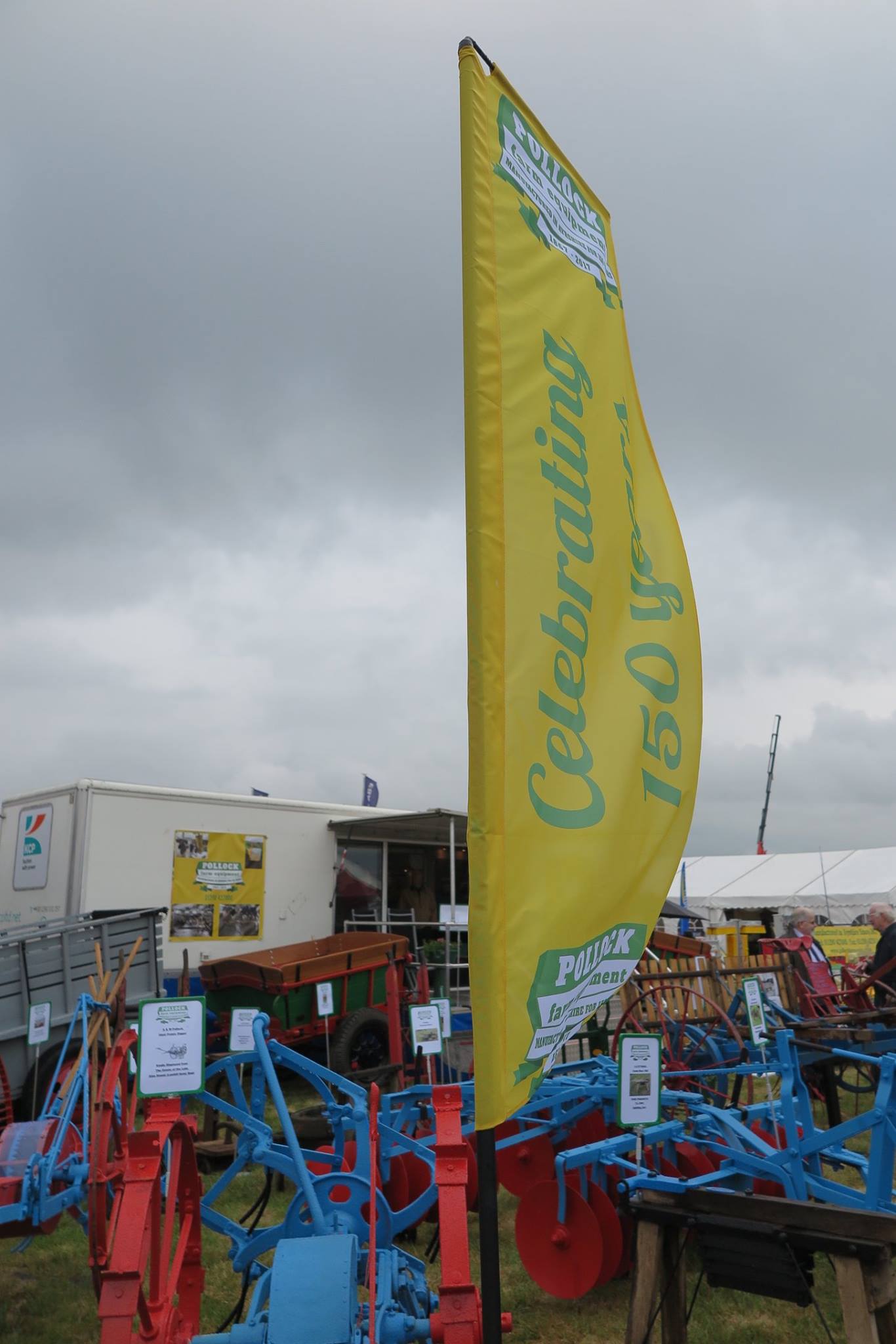
Celebrating 150 years in business

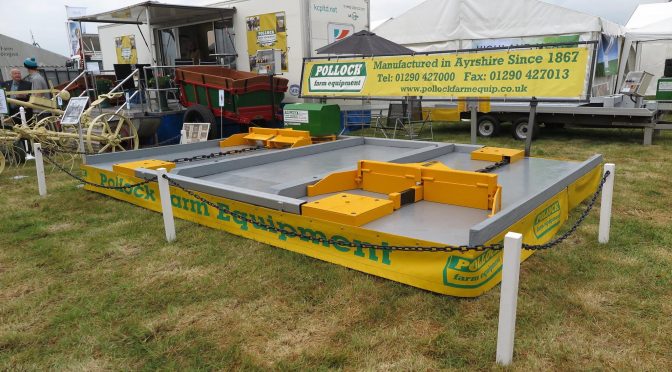
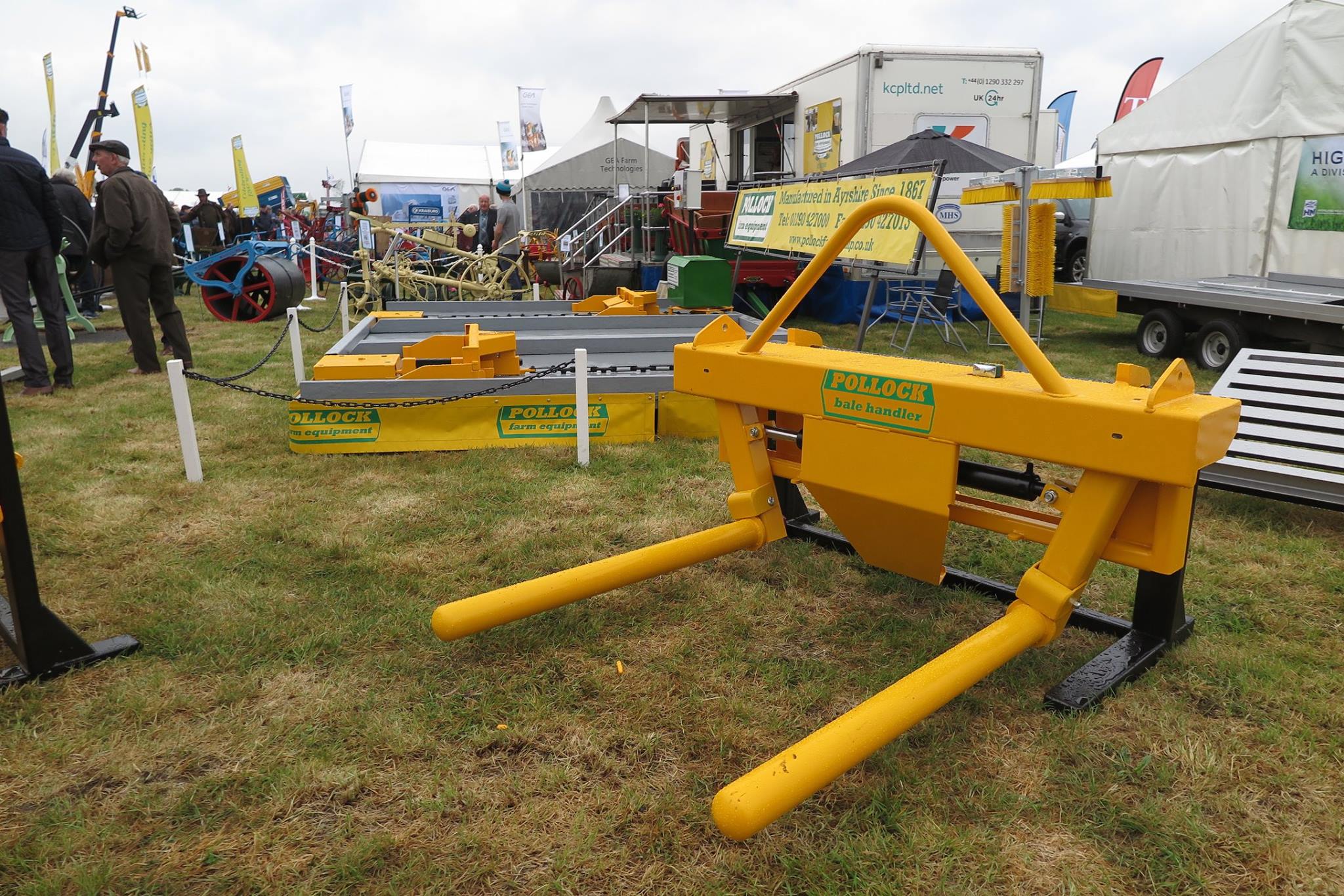
If you were at Ayr Show yesterday you would have noticed the rather striking and well-filled display of farm implements and machines by Pollock Farm Equipment.

150 years is a long time to be in business. There are few Scottish agricultural implement and machine makers that have managed such an achievement. Andrew Pollock of Mauchline, later A. & W. Pollock, Mauchline, and Pollock Farm Equipment, have been notable makers of a wide range of implements and machines, which are first served the farmers of Ayrshire. Now the Pollock name is known world wide.

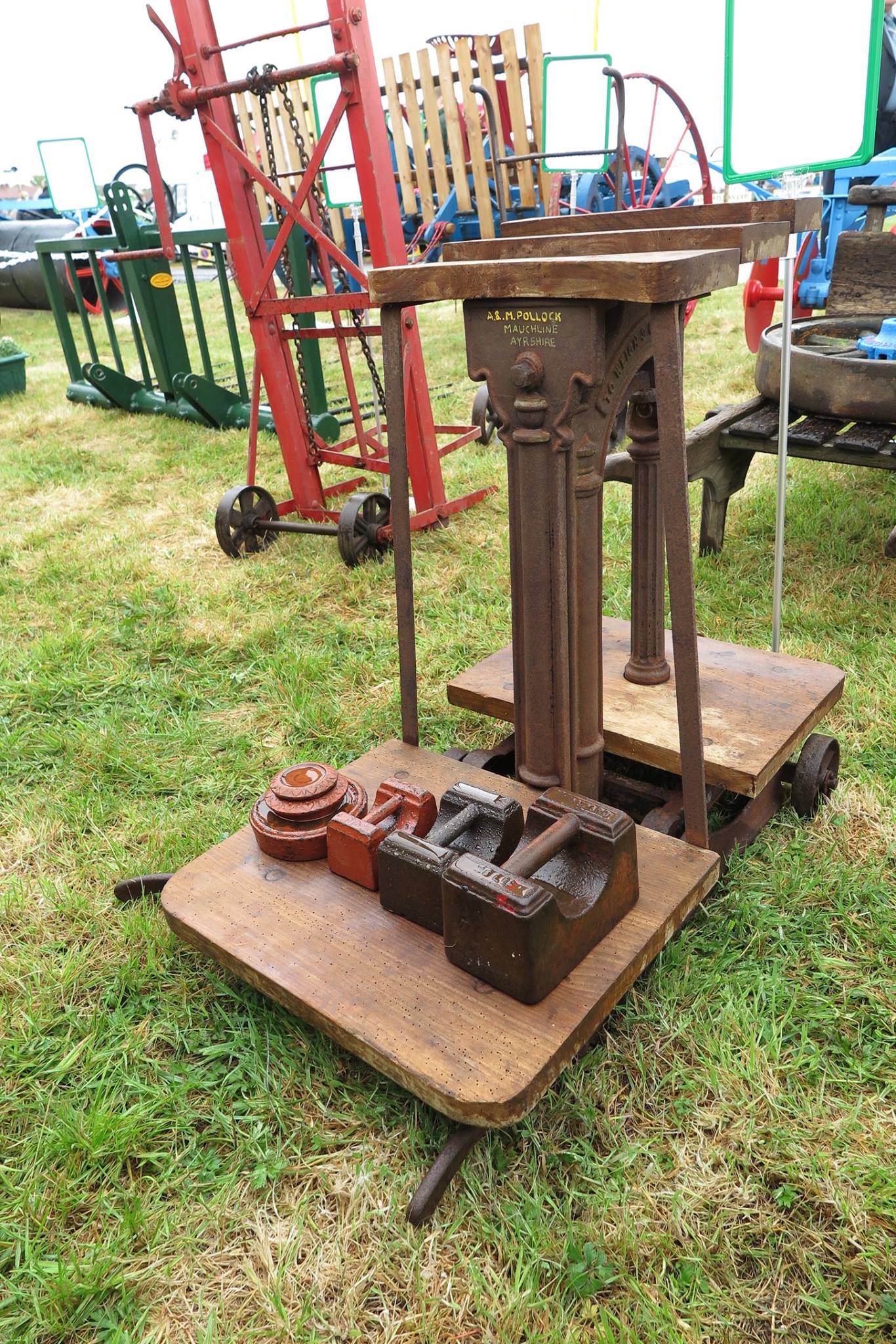
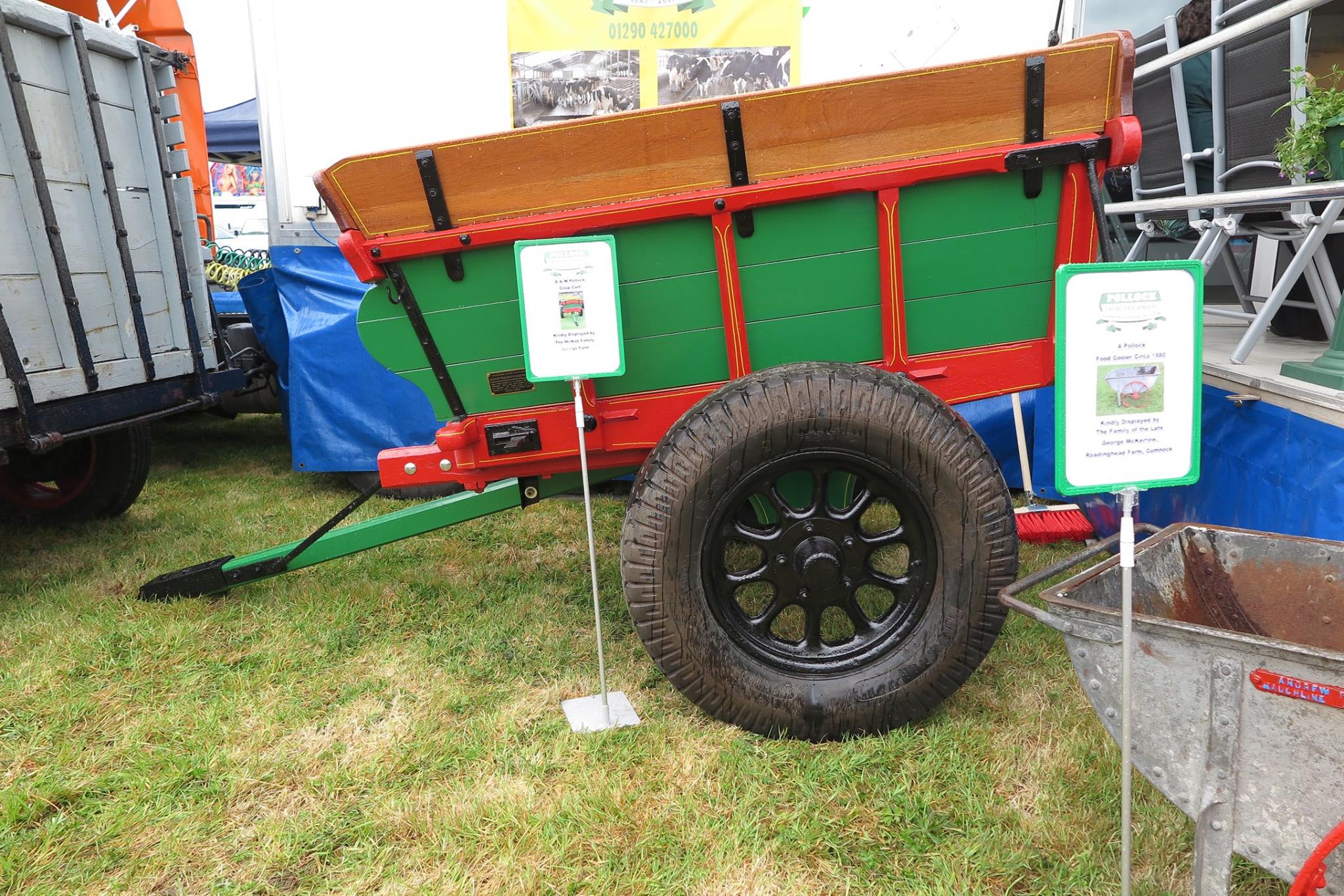
Alongside the modern cow brushes, bale handlers and scrapers, there was a range of implements and machines that were associated with the Pollock name. They included carts (Pollock was one of the largest cart makers in Scotland), a livestock transporter, potato diggers, curd mills, land rollers, weighing scales and barrows. The company had also been an agent as well, and this was denoted by the Harrison McGregor (Albion Works) cake breaker. The company also took over the manufacture of machines from other makers, and illustrated in this aspect of the company’s history was the Barford & Perkins tedder (or kicker) – it was a key piece of new haymaking machinery, being awarded the first and second prize in th eRoyal Trials at Darlington in 1895.

Implement makers also moved around the trade, for example to learn their apprenticeships, or learn aspects of the trade. John Pollock had been a management traine at the Blackstone’s between 1953-58. This aspect of the company was illustrated through a Blackstone swathe turner.

If you looked closely, you might have also noticed the name plates from Andrew Pollock, taking the history of the company back to the late nineteenth century.

Lots to see on the stand, bringing to life the great achievements of the Pollock name in Ayrshire.

If you were not at Ayr, enjoy the photographs of the stand.

Many thanks to Jimmy McGhee and his family for all their hospitality.

Share

A well-known partner of Alexander Jack & Sons, Maybole: Provost Marshall

If you are familiar with the history of Alexander Jack & Sons, Maybole, in the nineteenth and early twentieth centuries you will be aware of john Marshall, a partner in the business. When the business was dissolved on 22 January 1876 by the sole partner, Alexander Jack, it was then carried out by Alexander Jack and John Marshall, “engineers, agricultural implement makers and wood merchants” in Maybole. Marshall continued to be a partner in the firm until his death in 1909; by 1905 he was also a managing director.

When the North British Agriculture wrote a series of pen pictures of the most important figures in the Scottish agricultural implement and machinery trade in 1893 they included John Marshall. That newspaper’s account provides insights into his life and work as well as that of Alexander Jack & Sons. It reads:

“Provost Marshall, as he is generally called, on account of having for some years been Provost of Maybole, is well known throughout the length and breadth of the United Kingdom as the head of the eminent agricultural engineering firm of Messrs Jack & Sons, Maybole. At all the leading shows, not only in Scotland but also in England and Ireland, the “Caledonian” reapers and mowers are certain to be seen, and Mr Marshall is sure to be there with them. The firm of Messrs Jack & Sons was founded by Mr Marshall’s father-in-law, Mr Jack, who in 1835 began business in a small way as a wood merchant, cartwright, and agricultural implement maker at Auchendraine, on the banks of the Doon, near Maybole. The site of the works originally held by this firm now forms part of the beautiful grounds of Mr James Coates, who recently succeeded his father, the late Sir Peter Coates, of Paisley thread fame. In 1852, Mr Jack purchased the site of the present works of the firm and built these works from his own plans. In 1876, Mr Marshall became partner with Mr jack and, on the death of Mr Jack, Mr Marshall became sole partner of the firm. Under Mr Marsahll’s skilful and energetic management the business of Messrs Jack & Sons has continued to flourish in a marked degree, and the works of this firm are now amongst the most extensive of the kind in Scotland, while the name of the firm is accepted throughout the whole of the United Kingdom as an absolute guarantee of the high quality of the implements turned out at these works. The principal implements made by Messrs Jack & Sons are the “Caledonian Buckeye” reapers and mowers, together with rick lifters, cultivators, carts, rollers, potato diggers, horse rakes, turnip owes, &c. They also carry on a large home timber trade, having extensive sawmills both at Maybole and in the north of Ireland, which gives them special facilities for the manufacture of carts, vans, lorries, and wheels, for which their name is widely known throughout the United Kingdom. Mr Marshall individually is a most genial gentleman, whom it is a pleasure for any one to meet, and no one stands higher than he does in the estimation of his fellow exhibitors. When Mr Anderson, of Messrs Ben Reid & Co., retired from the presidency of the Scottish Agricultural Engineers two years ago, Mr Marshall’s brother engineers expressed their warm appreciation of his many admirable qualities by electing him to the presidency of the Association, and this honourable post he still holds.”

Next time you see an Alexander Jack & Sons implement or machine around the Scottish rlally fields, think about the important role played by John Marshall.

The photographs were taken at the Ayrshire vintage rally, July 2016.

Share